
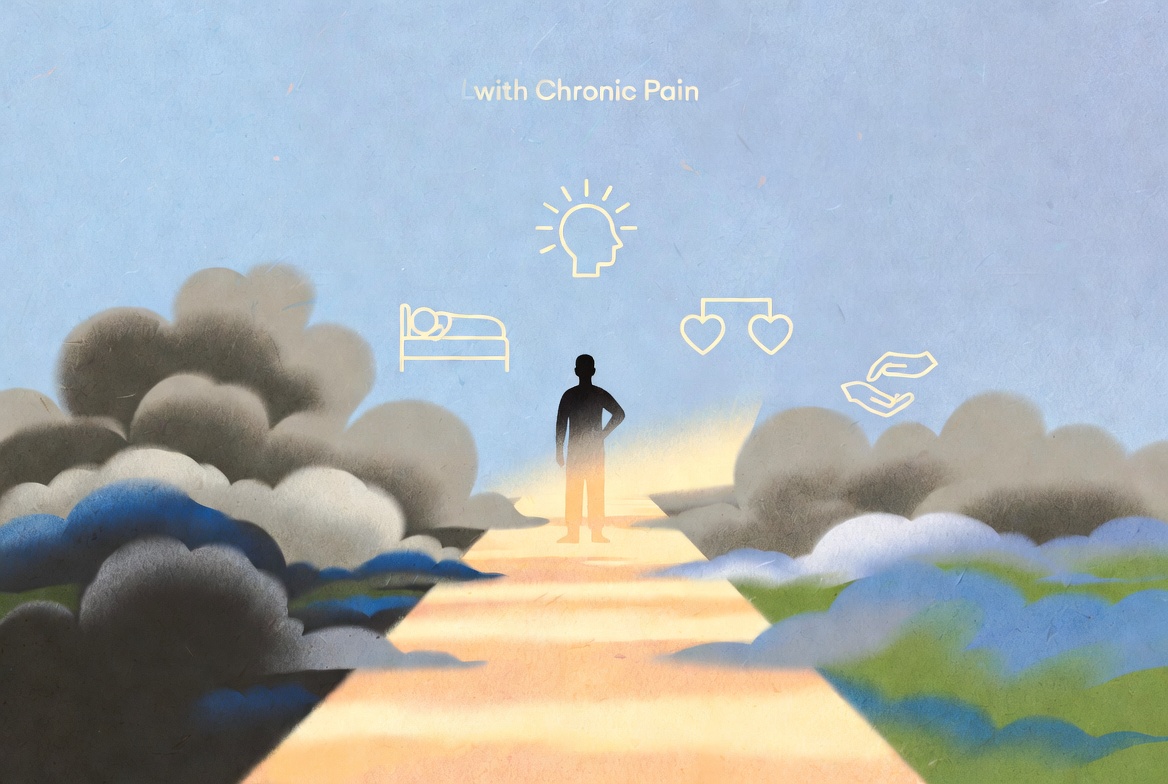
For newly diagnosed chronic pain patients, the hardest part is often the uncertainty: pain that lingers past healing, symptoms that shift day to day, and a healthcare system that can feel slow to respond. The impact of chronic pain reaches beyond the body, changing sleep, focus, mood, and relationships, and the psychological effects of chronic pain can make the experience feel isolating even when support exists. Early symptom recognition helps separate patterns from panic and turns vague suffering into clear information. With steady chronic pain management, life can become more predictable.
Start Today: 4 Self-Management Moves That Ease Pain
You can’t “think” your way out of chronic pain, but you can start reducing flare intensity by running small, repeatable experiments. These moves support both body and mind, helping you feel more in control while you and your care team refine a long-term plan.
- Build a 10-minute flare toolkit (heat/cold + position + breathing): Pick two non-pharmacological pain interventions you can do anywhere: heat or cold for 10–15 minutes, a supportive position (pillows under knees, side-lying with a pillow between legs), and slow exhale breathing for 2 minutes. This works because pain is amplified by muscle guarding and stress signals; calming your nervous system can turn the volume down. Keep your tools visible, an ice pack in the freezer door, a heating pad by the couch, so you actually use them at the first hint of a flare.
- Switch from “exercise” to “movement snacks” you can repeat: Choose one gentle motion that doesn’t spike symptoms (5-minute walk, easy stationary cycling, or a simple mobility routine) and do it 2–4 times a day. The goal isn’t to push through pain; it’s to prevent stiffness, maintain confidence, and show your brain that movement can be safe. If symptoms rise more than 2 points on a 0–10 scale and stay up the next day, cut the dose in half and try again.
- Make one lifestyle modification for pain: sleep and daily pacing: Start with a single boundary: a consistent wake time or a scheduled mid-day “recovery break” (10–20 minutes lying down, eyes closed, no phone). Pair it with pacing, alternate effort and rest before you’re wiped out, especially on “good” days when it’s easy to overdo it. This protects your energy, mood, and coping bandwidth, which matters because stress, poor sleep, and frustration can intensify pain signals.
- Track patterns for 7 days, then bring the receipts to your appointment: Use a notebook or digital symptom tracker to record three things once daily: pain (0–10), what you did (activity, work, lifting, driving), and what helped (heat, walk, stretching, rest). Add quick flags like sleep quality, stress level, and any new numbness/weakness. After a week, circle two patterns, “sitting >30 minutes increases pain” or “walking after lunch helps”, so your clinician can tailor treatment and rule out red flags.
Is Chiropractic a Fit? How to Choose the Right Provider
Once you’ve started using simple self-management moves to ease symptoms, hands-on care can be another way to support pain control without invasive procedures. Chiropractic care focuses on the spine and surrounding joints and tissues, and some people find it helpful for certain types of injury-related pain.
If your symptoms began, or noticeably worsened, after a car accident, look for a chiropractor with experience addressing accident-related injuries such as whiplash, herniated disks, and spinal cord and soft tissue injuries; for a grounded overview of what that care can involve, you can review this resource. Treatment length varies widely: some people need only a few sessions, while others require extended care depending on how severe the injury is and how your body responds.
Habits That Build Your “Good Day” Routine
After diagnosis, routines turn scattered coping into steady progress. These habits make it easier to track patterns, protect energy, and keep hope practical while you learn what truly helps your pain.
Two-Minute Symptom Check-In
- What it is: Note pain level, mood, sleep, and one trigger in a notebook.
- How often: Daily
- Why it helps: Small data points help you spot patterns and plan smarter days.
Gentle Movement Micro-Sessions
- What it is: Do 5 to 10 minutes of walking, stretching, or range-of-motion.
- How often: Daily
- Why it helps: Consistent motion can reduce stiffness and fear of activity.
Plate-Builder Meals
- What it is: Build meals around protein, fiber, colorful plants, and water.
- How often: Most days
- Why it helps: Steadier energy supports recovery and reduces pain flare vulnerability.
Five-Count Downshift Breath
- What it is: Try a practice of caring with five slow breaths before bed.
- How often: Nightly
- Why it helps: Lower stress can ease tension and improve sleep quality.
60-Day Habit Commit
- What it is: Pick one habit and practice it for 59-66 days.
- How often: Per milestone
- Why it helps: A defined runway makes consistency feel realistic, not perfect.
Chronic Pain Questions People Ask After Diagnosis
Q: What if my pain is “all in my head”?
A: Your pain is real, even if scans do not show a clear cause. Chronic pain can involve changes in the nervous system that keep pain signals turned up. Ask your clinician to explain your specific diagnosis in plain language and what it means for daily activity.
Q: How long should treatment take before I feel better?
A: Many plans work best in layers, not overnight fixes. Give one change a fair trial, track what shifts over 2 to 4 weeks, and bring that data to follow-ups. If a plan is not helping, you deserve adjustments, not self-blame.
Q: Can movement make my condition worse?
A: Movement can feel risky, but avoiding it often increases stiffness and sensitivity. Start with a tiny, repeatable dose and stop before you spike symptoms. If you are unsure what is safe, request a physical therapy referral.
Q: Why does pain flare even when nothing “happened”?
A: A flare does not always mean damage. Some pain is a false pain alarm that still hurts, especially under stress, poor sleep, or overdoing it. Treat flares like feedback: reduce load, calm your system, and note likely triggers.
Q: Should I feel guilty or depressed about needing help?
A: No. Chronic pain is exhausting, and grief, anger, and worry are common responses, not weaknesses. Tell one trusted person what support would actually help and consider counseling focused on coping skills.
Turn Your Diagnosis Into a Weekly Plan for Better Living
Chronic pain can make everyday choices feel like a gamble, between pushing through, pulling back, and fearing what tomorrow will bring. The steadier path is empowerment in chronic pain through active symptom management, realistic pacing, and coping strategies for chronic pain that support both body and mind. With that approach, flare-ups become more predictable, decisions feel less loaded, and maintaining quality of life becomes a practical goal rather than a distant hope. Pain may be persistent, but your options are not.
By Gloria Martinez
Published by International Pain Foundation, iPain Blog, Team iPain
