In today’s fast-paced world, finding effective ways to relax and rejuvenate is more important than ever. One of the simplest yet most powerful methods for achieving this is through the age-old practice of warm baths. When you incorporate Epsom salt into your bathing routine, you unlock a host of additional benefits that can significantly enhance your physical and mental well-being.
Warm baths have been cherished for centuries, not only for their soothing qualities but also for their numerous health advantages. When combined with Epsom salt, these baths become a comforting way to alleviate stress, ease muscle tension, and revitalize the skin. For those managing hypothyroidism, creating a relaxing self-care routine can also provide a welcome opportunity to unwind. As you immerse yourself in a warm, Epsom salt-infused bath, you create a sanctuary of relaxation right in your home.
The Science Behind Warm Baths and Their Benefits
Warm baths are more than just a luxury; they are a scientifically backed method for improving your health. When you soak in a warm bath, your body temperature rises, leading to several physiological responses. These responses include improved blood circulation, which helps deliver oxygen and nutrients to your muscles and organs, promoting overall well-being.
Moreover, the warmth of the bath water helps relax your muscles and joints, reducing tension and alleviating pain. This is particularly beneficial for individuals dealing with chronic pain or recovering from physical exertion. For those managing alopecia areata, a relaxing bath can also be a soothing addition to a broader self-care routine. Additionally, the heat can trigger the release of endorphins, the body’s natural pain-relieving and mood-enhancing chemicals, resulting in a profound sense of relaxation.
Research has also shown that warm baths can contribute to better sleep. The soothing heat relaxes your body, making it easier to fall asleep and improving the quality of your rest. As your body cools down post-bath, it mimics the natural drop in body temperature associated with sleep onset, signaling to your brain that it’s time to wind down. This relaxing routine can also complement self-care practices focused on concerns such as scar revision.
Understanding Epsom Salt: What It Is and How It Works
Epsom salt, chemically known as magnesium sulfate, is a naturally occurring mineral compound renowned for its therapeutic properties. Named after the town of Epsom in England, where it was first discovered, this salt has been used for centuries as a remedy for various ailments. When dissolved in warm water, Epsom salt releases magnesium and sulfate ions, which are readily absorbed through the skin.
Magnesium is a vital mineral involved in numerous bodily functions, including muscle and nerve function, energy production, and DNA synthesis. By soaking in an Epsom salt bath, you provide your body with an easy way to incorporate a relaxing ritual into your routine, similar to the restorative experience associated with turkish hammams.
The sulfate component of Epsom salt plays a crucial role in detoxifying the body. It aids in the removal of toxins and heavy metals, promoting a healthy internal environment. Furthermore, sulfates are known to improve nutrient absorption and support the production of digestive enzymes, contributing to better overall health.
Health Benefits of Warm Baths and Epsom Salt Soaks
The combination of warm baths and Epsom salt offers a multitude of health benefits that extend beyond mere relaxation. One of the most notable advantages is their ability to alleviate muscle soreness and stiffness. Whether you’re an athlete recovering from an intense workout or someone dealing with the daily grind, a warm Epsom salt bath can provide much-needed relief.
In addition to soothing muscles, these baths can also help reduce inflammation and swelling. This is particularly beneficial for individuals with arthritis or other inflammatory conditions. The anti-inflammatory properties of magnesium, combined with the warmth of the water, can ease joint pain and improve mobility.
Moreover, Epsom salt baths are known for their skin-enhancing effects. The magnesium in Epsom salt can help exfoliate dead skin cells, leaving your skin feeling soft and rejuvenated. The detoxifying properties of sulfates also contribute to clearer, healthier-looking skin by removing impurities and excess oils.
How Warm Baths Can Soothe Aches and Pains
For those plagued by chronic aches and pains, warm baths can be a game-changer. The heat from the water induces vasodilation, a process where blood vessels widen, improving blood flow to affected areas. This increased circulation helps deliver oxygen and nutrients to tissues, facilitating faster recovery and healing.
Warm baths can also help relax tight muscles, reducing the tension that often accompanies pain. By immersing yourself in a soothing bath, you create a temporary suspension of gravity, allowing your muscles to relax more fully and alleviating pressure on joints. This can be especially beneficial for individuals with conditions such as fibromyalgia or arthritis.
Additionally, the buoyancy of water provides gentle resistance, enabling you to perform light exercises or stretches without straining your muscles. This can be particularly helpful for those undergoing physical therapy or rehabilitation, as it allows for gentle movement and increased flexibility without risk of further injury.
The Role of Epsom Salt in Skin Revitalization
Epsom salt is not only beneficial for internal health but also plays a significant role in skin revitalization. The exfoliating properties of magnesium help slough off dead skin cells, promoting cell turnover and revealing fresher, more radiant skin. Regular use of Epsom salt baths can improve the texture and appearance of your skin, leaving it smooth and supple.
Beyond exfoliation, Epsom salt baths can also alleviate skin conditions such as eczema and psoriasis. The anti-inflammatory properties of magnesium can help reduce redness and irritation, while the detoxifying effects of sulfates aid in removing impurities that may exacerbate these conditions. This dual action can provide relief and improve the overall health of your skin.
For those dealing with acne, Epsom salt can help reduce excess oil and unclog pores, minimizing breakouts. The natural astringent properties of magnesium can also tighten pores, reducing their appearance and leaving your skin looking refined and clear.
Creating the Perfect Bathing Environment
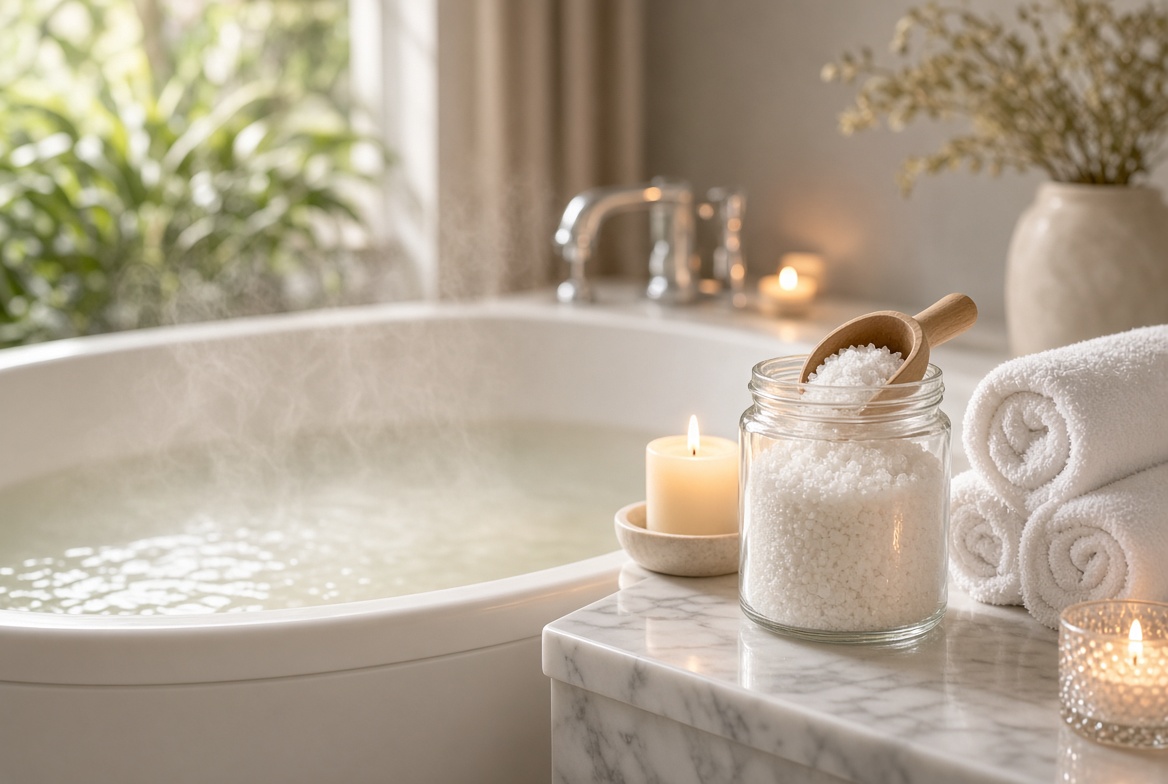
To fully reap the benefits of warm baths and Epsom salt soaks, creating the right environment is crucial. Begin by ensuring your bathroom is a peaceful and inviting space. Dim the lights, light a few candles, and consider playing soft music or utilizing aromatherapy to enhance relaxation.
Next, prepare your bath by filling the tub with warm water. Aim for a temperature between 92°F to 100°F (33°C to 38°C), as this range is ideal for relaxation without overheating. Once the tub is filled, add 1 to 2 cups of Epsom salt, stirring to ensure it dissolves completely.
To further enhance your bathing experience, consider adding a few drops of essential oils. Lavender, chamomile, or eucalyptus oils are excellent choices for relaxation and skin benefits. Ensure you mix the oils with a carrier oil before adding them to the bath to prevent skin irritation.
Step-by-Step Guide to an Epsom Salt Bath
- Prepare Your Space: Set the ambiance by dimming the lights and playing calming music. Gather towels, a robe, and any post-bath skincare products.
- Draw the Bath: Fill your tub with warm water, aiming for a temperature that is comfortable and relaxing. Avoid water that is too hot, as it can cause dizziness or dehydration.
- Add Epsom Salt: Pour 1 to 2 cups of Epsom salt into the water, stirring to dissolve. For added benefits, you may include essential oils or other bath additives.
- Immerse Yourself: Step into the bath and submerge your body. Allow yourself to relax for at least 12-20 minutes, letting the soothing properties of the salt and warmth take effect.
- Hydrate and Dry: After your bath, gently pat your skin dry with a towel. Hydrate with a glass of water to replenish fluids lost through sweating.
- Moisturize: Apply a good moisturizer to lock in hydration and keep your skin feeling soft and supple.
Tips for Maximizing the Benefits of Your Bathing Ritual
- Consistency is Key: Incorporate Epsom salt baths into your routine regularly to enjoy maximum benefits.
- Stay Hydrated: Drink plenty of water before and after your bath to stay hydrated and support detoxification.
- Listen to Your Body: If you feel lightheaded or uncomfortable at any point, exit the bath and rest.
- Combine with Meditation: Use this time for meditation or deep breathing exercises to enhance relaxation and mental clarity.
- Personalize Your Experience: Experiment with different essential oils, bath bombs, or herbs to find what works best for you.
Conclusion: Embrace the Transformative Power of Your Bathing Ritual
Incorporating warm baths and Epsom salt soaks into your routine can be a transformative experience for both your body and mind. By understanding the science behind these practices, you can create an oasis of relaxation and healing in your own home.
Whether you’re seeking relief from physical discomfort, looking to enhance your skin’s appearance, or simply yearning for a moment of peace, this age-old ritual offers a pathway to well-being. Embrace the power of your bathing ritual, and let each soak be a step toward a healthier, more balanced life.
Author: Laura Watson
Published by International Pain Foundation, iPain Blog, Team iPain
