
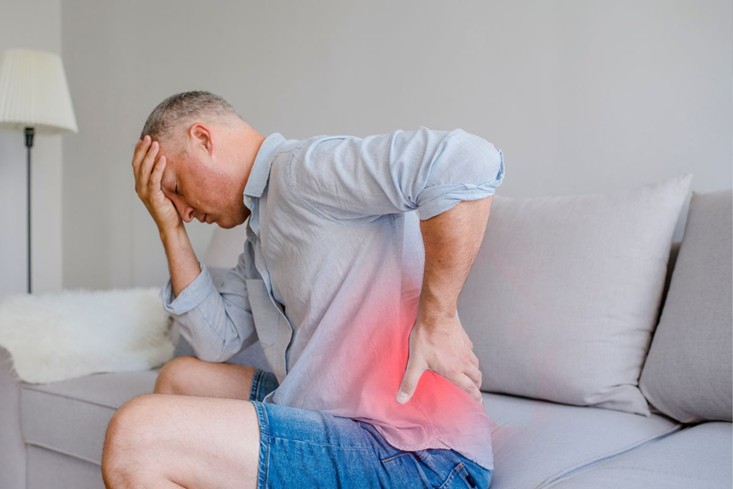
When pain begins to shape the rhythm of everyday life, even simple routines can feel uncertain. Chronic pain in later life can change how a person walks, sleeps, eats, socializes, and feels about the future. For many older adults, the goal is not simply to “get rid of pain,” but to build steadier comfort, safety, independence, dignity, and emotional wellbeing. For families considering home care for elderly loved ones, a good pain plan should respect medical history, mobility, mood, sleep, medications, home environment, support, and daily routines.
Summary
– Chronic pain should be assessed, not dismissed as normal aging.
– Gentle movement, pacing, sleep support, home safety, emotional care, and professional guidance can reduce pain’s burden.
– Medication may help, but older adults need careful review because side effects and interactions are more common.
Understand the Pain Pattern
Chronic pain usually means pain that persists or recurs for more than three months. [2] In older adults, causes can include arthritis, nerve pain, spinal conditions, diabetes, shingles, osteoporosis, surgery, injuries, or several conditions at once. Memory changes, hearing loss, depression, or fear of being a burden can make pain harder to describe.
Start by noticing patterns. Where is the pain? What makes it worse or better? Does it change after walking, bathing, meals, poor sleep, stress, or weather shifts? Does it affect balance, appetite, mood, or activities? A simple notebook can track pain level, activity, sleep, medication timing, and triggers. This supports a person-centered discussion about daily life, sleep, physical and psychological wellbeing, relationships, and personal goals. [2]
Seek medical advice promptly for severe pain, new weakness, chest pain, fever, confusion, unexplained weight loss, repeated falls, or loss of bladder or bowel control.
Build a Gentle Movement Plan
When experiencing pain, individuals may feel the need to reduce activity, and taking time to recover can occasionally be beneficial. However, too much stillness can weaken muscles, stiffen joints, reduce balance, and make daily tasks harder. A safer approach is regular, gentle activity matched to current ability.
Useful options include short walks, chair exercises, water walking, tai chi, stretching, light resistance bands, balance practice, or a supervised exercise plan. [1][2] Start with three to five minutes once or twice a day, then build gradually. The aim is controlled movement, not “pushing through.” If pain flares later or the next morning, shorten the activity and rebuild slowly. A physical therapist can assess strength, walking, posture, joint protection, and fall risk.
Practice Gradual Activity Management for Better Pain Control
Many people overdo a better day, then spend the next day recovering. Pacing protects energy before it disappears. Instead of cleaning a whole room at once, divide the task into steps. Sit while folding laundry. Prepare meals in stages. Use a timer to pause before pain takes over.
Pacing is not laziness. It is a self-management strategy that helps older adults continue participating without triggering a flare-up. Self-management support is also part of recommended chronic pain care. [2]
Make Sleep Part of Pain Care
Pain can interrupt sleep, and poor sleep can make the nervous system feel more sensitive the next day. A steady bedtime routine may help: dim lights, reduce noise, keep the room comfortable, avoid late caffeine, and choose a calming activity such as breathing, prayer, reading, or gentle stretching.
Long late-day naps may make nighttime sleep harder. If pain keeps waking someone, review mattress support, pillow position, bathroom safety, medication timing, anxiety, restless legs, or nighttime urination. Ongoing sleep problems should be discussed with a clinician, especially before using over-the-counter sleep aids.
Support Emotional Wellbeing
Chronic pain can shrink a person’s world. It may cause frustration, grief, fear, irritability, or loneliness. Stress can also increase muscle tension and pain sensitivity.
Helpful supports include relaxed breathing, mindfulness, counseling, spiritual care, music, hobbies, support groups, and trusted check-ins. For some people with chronic primary pain, cognitive behavioral therapy, known as CBT, or acceptance and commitment therapy, known as ACT, may improve coping and daily function. [2] These approaches do not imply that pain is imaginary. They teach skills for responding to pain, reducing fear, and reconnecting with meaningful activities.
Adapt Daily Living for Comfort and Safety
Small home changes can reduce strain and protect independence. Start with the areas used every day: bathroom, bedroom, kitchen, entryway, and sitting space.
– Improve bathroom safety. Add grab bars, a non-slip mat, a shower chair, or a handheld showerhead when needed.
– Reduce bending and reaching. Keep frequent items between waist and shoulder height; use a reacher for light objects.
– Clear walking paths. Remove loose rugs, cords, clutter, and low furniture from common routes.
– Choose supportive seating. Chairs with arms, firm cushions, and proper height can make standing easier.
– Create a comfort station. Keep water, glasses, medicines, heat or cold packs, phone, and a pain notebook nearby.
– Use heat and cold carefully. Warmth may ease stiffness, while cold may calm swelling or sharp flare-ups. Protect skin and avoid extreme temperatures.
These adaptations do not take away independence. They protect it.
Review Medications Safely
Medication can help, but older adults need extra caution. As people grow older, their bodies may react differently to pain medications, increasing the likelihood of issues such as balance problems, digestive discomfort, drowsiness, gastrointestinal complications, mental clouding, accidental falls, and adverse interactions with other treatments. The AGS Beers Criteria highlights medication risks in adults aged 65 and older. [4]
A pharmacist-led review can identify risky combinations, duplicate therapies, kidney-dose concerns, and medicines that may worsen falls or confusion. [4] Over-the-counter does not mean risk-free; ask a clinician or pharmacist to review the full medication list before changes.
If opioids are used, they need clear functional goals, careful monitoring, safe storage, regular reassessment, and a plan for reducing or stopping if benefits do not outweigh risks. [3]
Conclusion
Managing chronic pain in older adults works best when the plan is personal, practical, and compassionate. The strongest approach usually combines medical guidance with daily habits: gentle movement, pacing, better sleep, safer home routines, emotional support, physical therapy input, and careful medication review.
Comfort is not only about lowering pain. It is about helping older adults stay connected, respected, and involved in the life they value.
References
[1]: https://www.nia.nih.gov/health/exercise-and-physical-activity/exercising-chronic-conditions “Exercising With Chronic Conditions – National Institute on Aging”
[2]: https://www.nice.org.uk/guidance/NG193 “Overview | Chronic pain (primary and secondary) in over 16s: assessment …”
[3]: https://www.cdc.gov/mmwr/volumes/71/rr/pdfs/rr7103a1-h.pdf “CDC Clinical Practice Guideline for Prescribing Opioids for Pain …”
[4]: https://agsjournals.onlinelibrary.wiley.com/doi/epdf/10.1111/jgs.18372 “American Geriatrics Society 2023 updated AGS Beers Criteria® for …”
