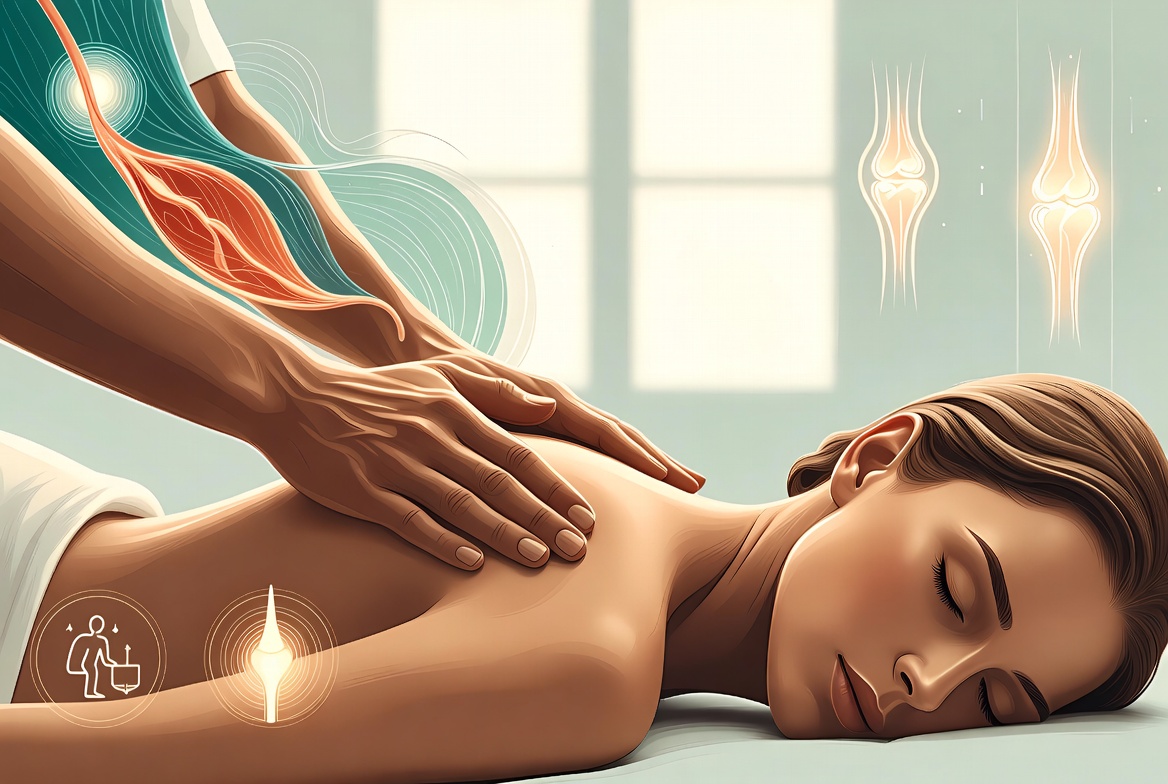
In today’s healthcare landscape, both massage therapy and physiotherapy play pivotal roles in promoting recovery and maintaining physical wellness. While physiotherapy focuses on restoring movement and function when someone is affected by injury, illness, or disability, massage therapy uses hands-on techniques to manipulate muscles and soft tissues of the body. As a healthcare professional or an individual keen on understanding body mechanics, exploring the symbiotic relationship between these two therapies can broaden your knowledge base and improve patient outcomes.
The intersection of massage therapy and physiotherapy can be particularly beneficial for those looking to enhance rehabilitation processes. By integrating massage techniques with physical therapy exercises, patients may experience improved mobility, reduced pain, and a quicker return to normal activities. This synergy can be especially valuable in cases involving musculoskeletal issues, where each modality brings its own set of benefits.
Overview of Recent Research on Massage Therapy
Recent years have seen a surge in research focusing on the benefits of massage therapy, particularly concerning its integration with physiotherapy. Studies indicate that massage therapy can significantly enhance the effectiveness of conventional physiotherapeutic treatments. By providing evidence-based insights, researchers are paving the way for more comprehensive treatment approaches.
One notable study published in the Journal of Bodywork and Movement Therapies highlighted the positive effects of massage therapy on patients undergoing physiotherapy for chronic pain conditions. Among the techniques commonly incorporated into rehabilitation programs, swedish massage therapy is widely used to promote relaxation, improve circulation, and complement physiotherapy. The study demonstrated that patients receiving both therapies reported a higher satisfaction rate and a more significant reduction in pain levels compared to those receiving only physiotherapy.
Furthermore, meta-analyses and systematic reviews have corroborated these findings, emphasizing that massage therapy not only aids in pain relief but also enhances muscle flexibility and circulation. With such compelling evidence, healthcare providers are increasingly encouraged to consider massage therapy as a complementary approach in rehabilitation protocols.
The Physiological Effects of Massage Therapy
Massage therapy’s physiological effects are numerous and well-documented, contributing to its growing popularity as a supplementary treatment in physiotherapy. Primarily, massage therapy works by increasing blood circulation, which is crucial for aiding recovery processes. Similar principles are also applied in a facial spa service, where massage techniques help stimulate circulation to promote healthier-looking skin. Improved blood flow ensures that muscles receive an adequate supply of oxygen and nutrients while facilitating the removal of metabolic waste.
Another beneficial effect of massage therapy is its impact on the nervous system. Techniques such as effleurage and petrissage can reduce stress by lowering cortisol levels and promoting the release of endorphins, the body’s natural painkillers. This not only helps in pain management but also enhances the patient’s overall sense of well-being.
Moreover, massage therapy has been shown to improve lymphatic drainage, which is vital for reducing swelling and inflammation. By enhancing lymph flow, massage can expedite the healing of tissues, making it a valuable tool in accelerating rehabilitation outcomes in physiotherapy. When combined with proper nutrition and guidance from a reputable supplement store, these recovery strategies can further support overall health and rehabilitation goals.
How Massage Therapy Complements Physiotherapy
Massage therapy and physiotherapy, when combined, offer a holistic approach to treatment that addresses both physical and mental aspects of recovery. In physiotherapy, the primary focus is on restoring movement and function through exercises and modalities. When complemented with massage therapy, this treatment can be more comprehensive, addressing muscle tightness, pain, and stress that may hinder progress.
Massage therapy can enhance the effectiveness of physiotherapy by preparing the muscles before physiotherapeutic exercises. This can prevent injuries, improve flexibility, and increase the range of motion, all of which are crucial for effective rehabilitation. By loosening tight muscles, massage therapy ensures that physiotherapy exercises can be performed more effectively and with less discomfort.
Moreover, incorporating massage therapy into physiotherapy sessions can improve patient compliance and satisfaction. The relaxing nature of massage makes therapy sessions more enjoyable and less intimidating, encouraging patients to adhere to their treatment plans. This, in turn, leads to better overall outcomes and a more positive therapy experience.
Evidence-Based Benefits of Massage Therapy in Rehabilitation
The integration of massage therapy into rehabilitation has been supported by a wealth of evidence-based benefits. Studies have consistently shown that patients undergoing combined therapy often report faster recovery times and better overall functional outcomes. These advantages are particularly evident in conditions involving chronic pain and musculoskeletal disorders.
Key benefits of massage therapy in rehabilitation include:
- Pain Relief: Regular massage can significantly reduce pain levels, leading to improved participation in physiotherapy sessions.
- Enhanced Mobility: By improving joint flexibility and muscle elasticity, massage therapy facilitates a greater range of motion.
- Stress Reduction: Reduced stress and anxiety contribute to a more favorable environment for healing and recovery.
A comprehensive review published in the Clinical Rehabilitation journal highlighted that patients who received massage therapy alongside physiotherapy demonstrated improved long-term recovery outcomes compared to those receiving standard care alone. Such findings underscore the potential of massage therapy as a transformative tool in rehabilitation settings.
Case Studies: Massage Therapy’s Impact on Physiotherapy Outcomes
Case studies provide real-world insights into how massage therapy can impact physiotherapy outcomes. Consider the case of a middle-aged athlete recovering from a knee injury. By incorporating massage therapy into his rehabilitation plan, he not only experienced a reduction in pain but also regained full mobility faster than anticipated.
In another instance, a patient with chronic lower back pain reported significant improvements after receiving regular massage therapy along with physiotherapy exercises. The combination of therapies helped decrease muscle tension, improve posture, and ultimately enhance the patient’s quality of life.
These case studies highlight the practical benefits of integrating massage therapy into rehabilitation plans. By offering tailored, evidence-based interventions, healthcare providers can achieve superior outcomes, ensuring patient satisfaction and expedited recovery.
Types of Massage Techniques Used in Physiotherapy
Various massage techniques can be employed in physiotherapy to address specific therapeutic goals. Understanding these techniques can help you select the most appropriate method for each patient’s unique needs, enhancing the overall treatment effectiveness.
Common Massage Techniques:
- Effleurage: A gentle stroking technique used to warm up tissues and increase circulation.
- Petrissage: A kneading motion targeting deeper muscle layers to reduce tension and improve flexibility.
- Trigger Point Therapy: Focuses on relieving pain and tightness by applying pressure to specific muscle knots.
- Myofascial Release: Involves stretching and loosening the fascia to improve movement and alleviate pain.
Each technique offers distinct benefits and can be customized based on the patient’s condition and therapeutic goals. By integrating these techniques into physiotherapy, practitioners can provide more comprehensive care that addresses both muscular and fascia-related issues.
Incorporating Massage Therapy into Physiotherapy Treatment Plans
Integrating massage therapy into physiotherapy treatment plans requires careful consideration and strategic planning. To maximize the benefits, start by assessing the patient’s specific needs and conditions. This assessment will guide the selection of appropriate massage techniques and the frequency of sessions.
Steps to Incorporate Massage Therapy:
- Initial Assessment: Evaluate the patient’s condition, including pain levels, mobility, and muscle tension.
- Treatment Planning: Develop a comprehensive plan that includes specific massage techniques and physiotherapy exercises.
- Regular Monitoring: Track the patient’s progress and adjust the treatment plan as necessary to ensure optimal outcomes.
Collaboration between massage therapists and physiotherapists is crucial for successful integration. By working together, these professionals can provide a cohesive treatment approach that addresses all aspects of the patient’s recovery.
Professional Perspectives: Insights from Physiotherapists
Physiotherapists often have valuable insights into the integration of massage therapy into treatment plans. Many practitioners have observed that patients who receive massage therapy in conjunction with physiotherapy tend to experience better outcomes and higher satisfaction rates.
Experienced physiotherapists emphasize the importance of tailoring massage techniques to each patient’s needs. They recommend starting with a thorough assessment to determine which areas require focus and what specific techniques will be most beneficial. By doing so, they can create a more personalized and effective treatment plan.
Moreover, physiotherapists highlight the need for ongoing education and training in massage therapy techniques. By staying informed about the latest advancements and research, practitioners can ensure they are providing the highest standard of care to their patients.
Conclusion: The Future of Integrating Massage Therapy in Physiotherapy
As the healthcare landscape evolves, the integration of massage therapy into physiotherapy is likely to become more prevalent. The evidence supporting the benefits of this combined approach is compelling, and as more practitioners adopt these methods, patient outcomes are expected to improve further.
By Laura Watson
Published by International Pain Foundation, iPain Blog, Team iPain
