Inflammation is your body’s natural response to injury or infection. It serves as a protective mechanism that eliminates harmful stimuli and initiates the healing process. Although it is crucial for your health, chronic inflammation can lead to various health issues such as arthritis, heart disease, and even certain cancers.
Chronic inflammation differs from acute inflammation, which is short-term and beneficial. When inflammation persists, it can damage your tissues and organs, leading to long-term health problems. Understanding this distinction is especially important for those managing conditions related to hormonal or reproductive health, such as during an affordable IVF journey, where reducing inflammation can support better overall outcomes.
Identifying the signs of chronic inflammation is key to addressing it. Symptoms may include persistent fatigue, digestive issues, joint pain, and skin problems. By recognizing these signs, you can take proactive steps to reduce inflammation and improve your overall health.
The Connection Between Nutrition and Pain Relief
Nutrition plays a pivotal role in managing inflammation and relieving pain. Certain foods contain compounds that can reduce inflammation, thus alleviating discomfort from issues such as chest muscle pain. Incorporating these foods into your diet can be a natural and effective strategy for pain management.
A well-balanced diet rich in anti-inflammatory foods can help you achieve optimal health. By focusing on nutrient-dense foods, you can strengthen your immune system and reduce the risk of chronic diseases. This approach not only addresses existing inflammation but also prevents future occurrences.
Adopting an anti-inflammatory diet involves more than just eating specific foods. It requires a holistic approach that includes lifestyle changes such as regular exercise and stress management, which can also help address concerns like hair loss. Together, these elements contribute to a comprehensive strategy to reduce pain and enhance overall well-being.
Top Foods That Fight Inflammation
Incorporating anti-inflammatory foods into your diet is a powerful way to combat inflammation. Here are some top foods known for their anti-inflammatory properties:
- Leafy Greens: Spinach, kale, and Swiss chard are rich in antioxidants and nutrients that help combat inflammation.
- Berries —blueberries, strawberries, and raspberries — contain antioxidants called anthocyanins, which help reduce inflammation.
- Nuts and Seeds: Almonds, walnuts, and flaxseeds are excellent sources of omega-3 fatty acids and fiber.
These foods not only help reduce inflammation but also provide essential nutrients that support overall health. Incorporate them into your daily meals to enjoy their benefits.
To maximize the anti-inflammatory effects of your diet, pair it with regular physical activity and adequate hydration. This holistic approach will help you achieve better pain management and improve your quality of life.
The Role of Omega-3 Fatty Acids in Reducing Inflammation
Omega-3 fatty acids are essential fats that help reduce inflammation. They are found in various foods and are known for their ability to decrease the production of inflammatory molecules.
Sources of Omega-3 Fatty Acids:
- Fatty Fish: Salmon, mackerel, and sardines are rich in omega-3s and should be included in your diet regularly.
- Plant-Based Sources: Chia seeds, flaxseeds, and walnuts are excellent options for those following a plant-based diet.
- Supplements: Fish oil supplements can be an effective way to ensure adequate omega-3 intake if dietary sources are insufficient.
Incorporating omega-3-rich foods into your diet can significantly reduce inflammation and relieve pain. Aim to include these sources in your meals several times a week for optimal benefits.
Regular consumption of omega-3 fatty acids not only helps with inflammation but also supports brain health, cardiovascular function, and overall well-being. By prioritizing these fats in your diet, you can enhance your health on multiple levels.
Antioxidant-Rich Foods for Pain Relief
Antioxidants are compounds that protect your cells from damage caused by free radicals. They play a crucial role in reducing inflammation and providing pain relief. Incorporating antioxidant-rich foods into your diet is a natural way to combat inflammation.
Top Antioxidant-Rich Foods:
- Fruits: Citrus fruits, apples, and grapes are packed with antioxidants like vitamin C and flavonoids.
- Vegetables: Broccoli, carrots, and bell peppers provide a variety of antioxidants that support health.
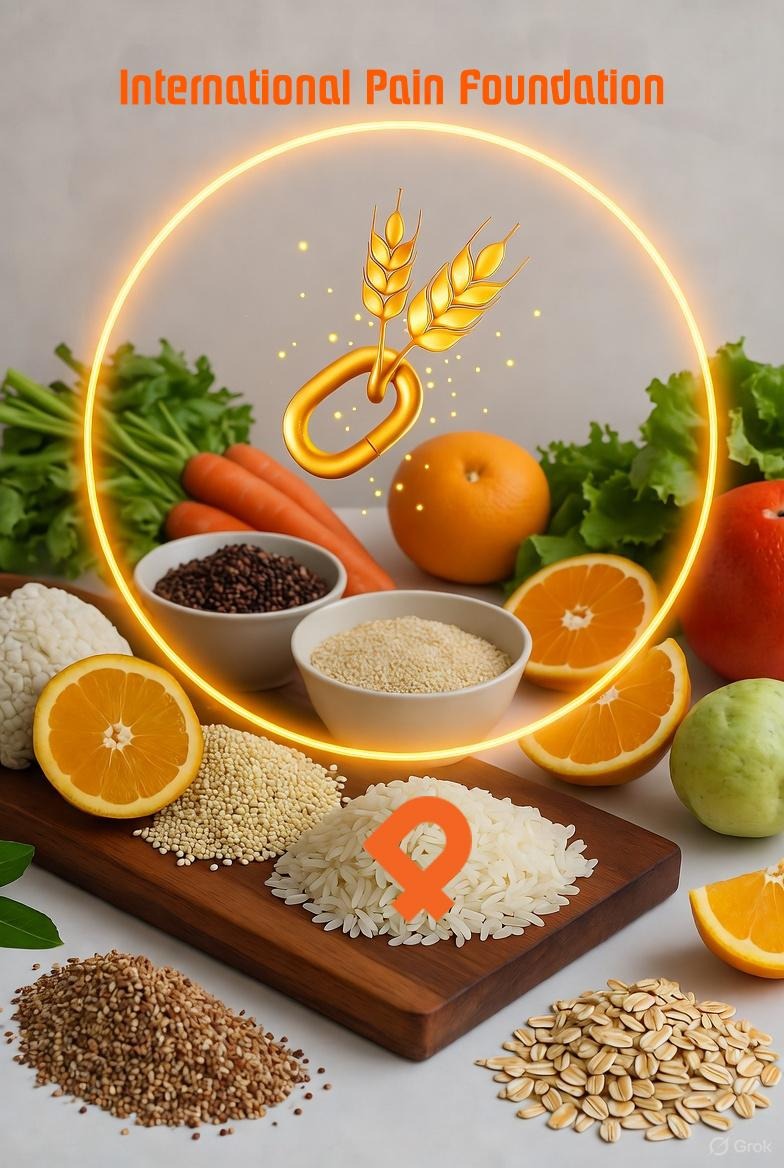
- Whole Grains: Brown rice, quinoa, and oats contain antioxidants that help reduce inflammation.
These foods not only help in managing pain but also offer a host of other health benefits. By including a variety of antioxidant-rich foods in your diet, you can support your body’s natural defense mechanisms.
A diet abundant in antioxidants can also enhance your immune function and protect against chronic diseases. Make it a goal to include a diverse range of these foods to maximize their health-promoting effects.
The Importance of Whole Foods in an Anti-Inflammatory Diet
Whole foods are unprocessed and unrefined, making them an essential component of an anti-inflammatory diet. They provide the nutrients needed to fight inflammation and support overall health.
Key Benefits of Whole Foods:
- Nutrient Density: Whole foods are rich in vitamins, minerals, and fiber that are often lost in processed foods.
- Lower Sugar Content: They contain fewer added sugars, which can exacerbate inflammation.
- Minimal Additives: Whole foods are free from artificial preservatives and additives that can contribute to inflammation.
Including a variety of whole foods in your diet can help you achieve a balanced, nutrient-rich diet that supports reduced inflammation. Prioritize whole grains, fresh produce, and lean proteins for optimal health.
By focusing on whole foods, you can also maintain a healthy weight, improve digestion, and enhance your energy levels. This approach not only aids in inflammation management but also promotes overall wellness.
Herbs and Spices That Help Combat Inflammation
Herbs and spices are not only flavorful additions to your meals but also potent anti-inflammatory agents. They contain bioactive compounds that can significantly reduce inflammation and provide pain relief.
Beneficial Herbs and Spices:
- Turmeric: Contains curcumin, a powerful anti-inflammatory compound.
- Ginger: Known for its ability to reduce inflammation and alleviate pain.
- Garlic: Has anti-inflammatory properties that can help lower the risk of chronic diseases.
Incorporating these herbs and spices into your cooking can enhance the flavor of your meals while providing health benefits. Experiment with different combinations to find what works best for your palate.
Regular use of herbs and spices can complement a healthy diet and contribute to effective pain management. Their natural anti-inflammatory properties make them an excellent addition to your wellness routine.
Foods to Avoid for Better Pain Management
While certain foods can help reduce inflammation, others can exacerbate it. Identifying and avoiding these foods is crucial for effective pain management and overall health.
Foods to Avoid:
- Processed Foods: High in trans fats and additives, which can increase inflammation.
- Sugary Beverages: Contain high levels of refined sugars that can worsen inflammation.
- Refined Carbohydrates: White bread, pastries, and other refined grains can spike blood sugar levels.
Eliminating or reducing these foods from your diet can significantly impact your ability to manage pain and inflammation. Focus on whole, nutrient-dense foods to support your health goals.
By making conscious dietary choices, you can take control of your inflammation and pain management. Opt for healthier alternatives and prioritize foods that nourish your body.
Meal Planning for Inflammation: Tips and Ideas
Planning your meals with an anti-inflammatory focus can simplify your efforts to manage pain and improve your health. Here are some tips and ideas to help you get started:
Meal Planning Tips:
- Batch Cooking: Prepare large quantities of anti-inflammatory meals that can be stored for later use.
- Diverse Ingredients: Use a variety of fruits, vegetables, and proteins to ensure a balanced nutrient intake.
- Mindful Portions: Pay attention to portion sizes to avoid overeating and maintain a healthy weight.
Sample Meal Ideas:
- Breakfast: Oatmeal topped with fresh berries and a sprinkle of flaxseeds.
- Lunch: Quinoa salad with spinach, roasted vegetables, and grilled salmon.
- Dinner: Stir-fry with tofu, broccoli, and bell peppers seasoned with turmeric and ginger.
By following these tips and incorporating these meal ideas, you can create a sustainable eating plan that supports reducing inflammation and relieving pain.
Effective meal planning involves flexibility and creativity. Adapt recipes to suit your preferences and dietary needs while keeping health goals in mind.
Conclusion: Embracing Nutrition for a Pain-Free Life
Embracing nutrition as a tool for pain relief involves making informed dietary choices that prioritize anti-inflammatory foods. By understanding the connection between diet and inflammation, you can take proactive steps toward a healthier, pain-free life.
Incorporating a variety of nutrient-dense foods, including those rich in omega-3 fatty acids, antioxidants, and anti-inflammatory properties, can significantly impact your ability to manage pain. Avoiding foods that exacerbate inflammation is equally essential for achieving optimal health.
Authored by Laura Watson
Published by International Pain Foundation, Team iPain, iPain Blog
