
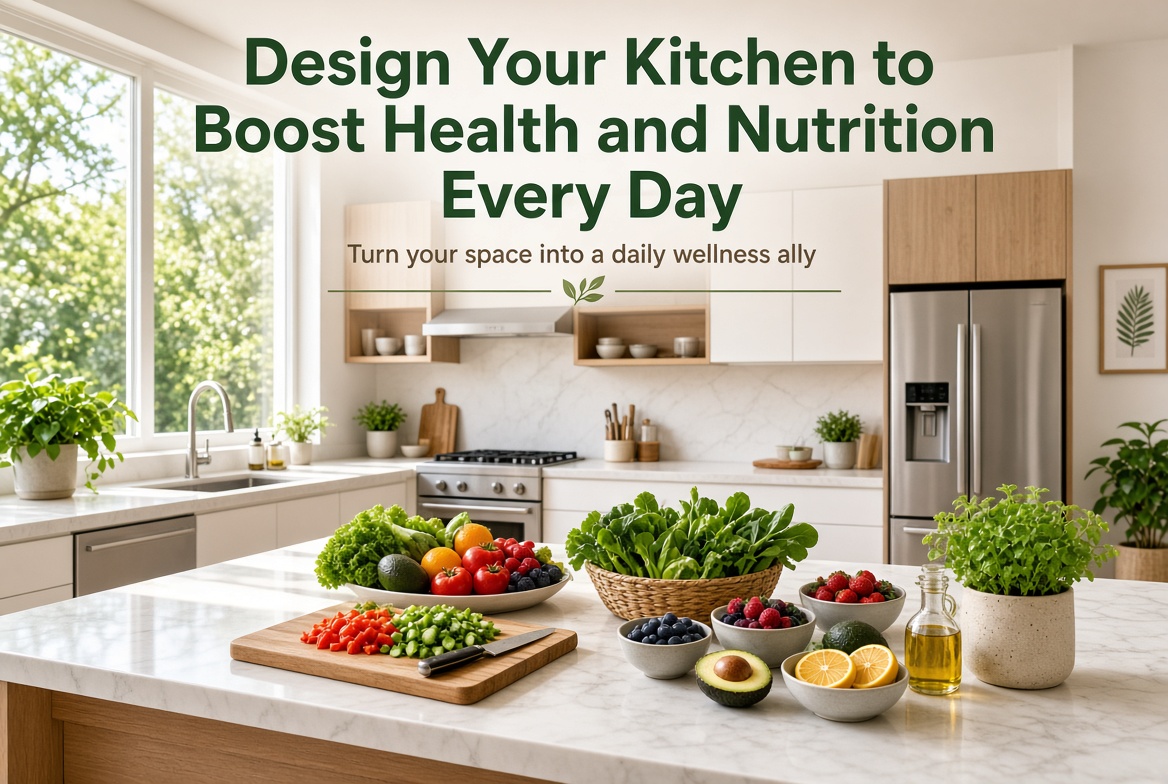
For homeowners interested in wellness, especially busy parents and midlife couples trying to cook more at home, a kitchen renovation often becomes a missed opportunity. The tension is simple: good intentions run into cluttered layouts, inconvenient storage, and routines that make highly processed options feel like the easiest choice. A nutrition-focused design treats the kitchen as a healthy cooking environment that gently supports better decisions without relying on constant willpower. Done well, the space becomes one of the few daily settings that can reinforce long-term health benefits.
Understanding How Kitchen Design Shapes Habits
A nutrition-supportive kitchen works because it changes what feels easy. Layout, appliance choices, storage, and materials form one system that reduces friction for healthy steps and adds friction to less helpful ones. That is the behavioral impact: the room quietly nudges routines without needing extra motivation.
This matters because most food decisions happen while you are tired, rushed, or hungry. When prep space is near the sink, tools are within reach, and produce is visible, cooking at home becomes the default. That is especially relevant for households that already prepare meals at home but want those meals to be more nutrient-dense.
Picture a weeknight: sheet pan, knife, and spices live by the main counter, and the oven preheats fast. Meanwhile, snacks sit in an opaque bin on a higher shelf. The design steers you toward cooking first. Reliable appliances keep these healthy defaults from breaking under real life.
Protect the Appliances That Keep Healthy Routines on Track
When your kitchen is designed to make healthy cooking the easy default, unreliable appliances can quickly undo that momentum. A home warranty can help protect your investment in health-focused upgrades by covering repair or replacement costs for the essential appliances you rely on to cook consistently and keep nutritious routines steady, so an unexpected breakdown doesn’t push you back toward less-healthy convenience options or leave durable new fixtures sitting unused. As you compare options, look for an appliance warranty that also covers the removal of defective equipment and breakdowns caused by improper installations or repairs, since those issues can arise after major upgrades. With your appliances protected against the disruptions that derail daily habits, you can focus next on a clear, practical plan to set up your kitchen for healthier meals.
Use This Kitchen Plan for Healthier Meals
A health-supportive kitchen is less about willpower and more about friction: reduce the steps to prep, cook, and store real food, and your default choices improve. Use this plan to shape layout, appliance placement, storage, and materials so healthy routines stay easy, and your key appliances stay dependable after the upgrade.
- Map your “prep → cook → clean” runway: Stand where you usually chop and make sure the sink, trash/compost, and cooktop are each within a few steps. Aim for one uninterrupted landing zone for groceries and another for plating so you’re not shuffling items across the kitchen. If you’re tight on space, galley layouts can create an efficient workflow by keeping storage and appliances parallel and close.
- Build an ergonomic prep station you’ll actually use: Put your primary cutting surface beside the sink, with knives, boards, mixing bowls, and a salad spinner in the top drawer directly below. Add task lighting over that spot and choose a countertop edge profile that’s comfortable for longer prep sessions. If you knead dough or batch-chop often, consider one slightly lower section (or a pull-out work surface) to reduce shoulder strain.
- Place appliances by frequency, not by symmetry: Keep the refrigerator, prep counter, and cooktop in a tight triangle, then place “daily drivers” (microwave, toaster oven, kettle) at arm’s reach from the prep zone. Store pans and cooking utensils within one cabinet of the cooktop, and keep sheet pans and storage containers near the oven. This reduces wandering and helps protect upgraded appliances from unnecessary door slams, drops, and heat exposure.
- Design smart food storage to prevent waste and impulsive eating: Use full-extension drawers for pantry items so nothing disappears in the back; add clear, labeled canisters for grains, nuts, and snacks. Reserve one fridge shelf at eye level for “eat first” foods (washed produce, cooked proteins, leftovers) and a dedicated bin for prep-ready vegetables. In the freezer, use flat, stackable portions and date labels so healthy options are faster than takeout.
- Make preservation and batch cooking part of the layout: Plan a “hot zone” for canning/stock pots or pressure cooking with a nearby heat-safe landing area and a pull-out for potholders and tools. Add one deep drawer for jars, lids, and vacuum-seal bags, plus a spot for a cooling rack. A small, consistent setup makes it realistic to cook once and eat well for days.
- Choose non-toxic, cleanable materials in the messiest places: Prioritize low-VOC finishes for cabinets and paints, and choose counters/backsplashes that tolerate frequent wiping without harsh chemicals. In the backsplash and sink run, use grout and caulk that resist mold, and specify a vent hood that truly exhausts outside (then make filter cleaning easy to access). These choices support indoor air quality and help keep your cooking area sanitary with less effort.
- Protect the appliances that protect your routine: Add surge protection, leave proper ventilation clearances, and include an easy-access shutoff for water lines behind the fridge and dishwasher. Budget for maintenance-friendly details, like a pull-out for cleaning supplies and space to remove filters, so upkeep is quick and you’re less likely to defer it. If a breakdown would derail your nutrition plan, it’s also worth planning for repair costs the same way you plan for durable finishes.
Kitchen Renovation FAQs for Healthier Eating
Q: What kitchen materials are safest around food and kids?
A: Choose non-porous, easy-to-sanitize surfaces for the wettest, messiest zones, especially around the sink and prep counter. Look for low-VOC cabinet finishes and paints, and avoid materials that stain easily or hold moisture in seams. If you are unsure, request the product’s safety sheet and verify it is intended for interior residential use.
Q: How can I preserve food well without buying expensive gadgets?
A: Start with what protects quality fastest: rapid cooling, airtight containers, and clear date labels. Add freezer-friendly, flat portions so leftovers freeze quickly and thaw evenly. If you want one upgrade, a simple vacuum sealer often pays for itself by reducing freezer burn.
Q: How do I read appliance energy ratings without getting overwhelmed?
A: Compare estimated yearly energy use, not just the price tag, across similar sizes and features. If you remodel mainly to cut operating costs, improving energy efficiency is a common, practical motivation that can guide your short list.
Q: Can better storage actually help me eat healthier?
A: Yes, because visibility and access change what you reach for first. Reports note storage capacity can be increased by 25 percent or more with the right interior accessories, which makes it easier to keep staples and prep-ready foods organized.
Q: Which sustainable choices pay off over time in a kitchen?
A: Prioritize durability and efficiency: long-lasting surfaces, repairable hardware, and appliances with lower energy use. Also invest in ventilation that exhausts outside and is easy to maintain, since clean air supports everyday cooking.
Start Small: One Kitchen Upgrade That Supports Health Daily
It’s easy for a renovation to look beautiful yet still make healthy choices harder on busy days. The most reliable path is intentional kitchen remodeling that treats layout, materials, and storage as nutrition-supportive kitchen features designed to reduce friction and support routines. When the space reinforces healthy cooking reinforcement, everyday meals become simpler to plan, safer to store, and easier to follow through on, while protecting long-lasting kitchen investments. Design the kitchen around the habits you want, not the habits you’re fighting.
By Kimberly Bryant
Published by International Pain Foundation, Team iPain, iPain Blog
