
Chronic pain is a persistent condition that affects millions worldwide. Unlike acute pain, which is a direct response to an injury and subsides as healing occurs, chronic pain lingers for months or even years. It can stem from various causes, such as arthritis, fibromyalgia, or back injuries, and often disrupts everyday activities. This ongoing discomfort can lead to decreased mobility, reduced productivity, and a lower overall quality of life, making it a critical health issue to address.
For individuals grappling with chronic pain, daily tasks can become burdensome. Simple actions, such as getting out of bed, walking, or even sitting, can trigger or exacerbate pain, leading to frustration and fatigue. The emotional toll of chronic pain is equally significant, often leading to anxiety, depression, and social isolation. As a result, finding effective pain management solutions, such as using a supportive mattress topper, becomes a top priority for those affected.
The quest for pain relief often involves a combination of medical treatments, lifestyle changes, and support systems. While medications and physical therapy are common approaches, many sufferers seek alternative solutions to complement their current regimen. Adjustable beds have emerged as a potential aid in managing chronic pain, offering customizable support and comfort tailored to individual needs.
What Are Adjustable Beds?
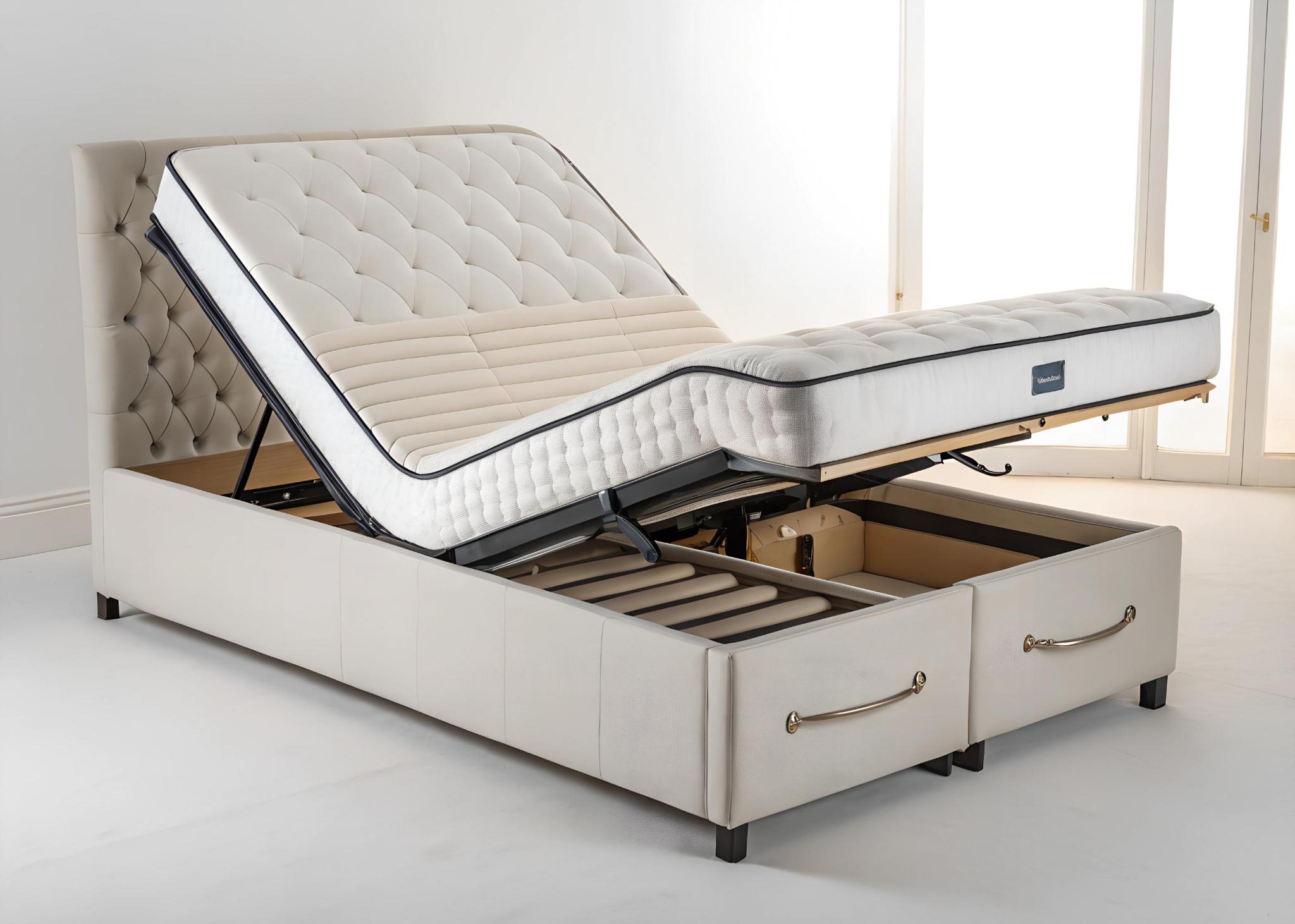
Adjustable beds, also known as electric beds, are designed to allow users to alter the position of the bed to suit their comfort preferences and health needs. These beds typically feature a multi-hinged surface that can be adjusted to various angles, enabling the head and foot sections to be raised or lowered independently. Pairing them with a luxurious mulberry silk duvet can further enhance comfort. At the same time, the customization can provide improved support and alleviate pressure points, making them an appealing option for those experiencing discomfort or sleep disturbances.
The concept of adjustable beds is not new; they have been used in healthcare settings for decades. However, recent advancements have made them more accessible and attractive for home use. Modern adjustable beds come equipped with a range of features, including wireless remote controls, massage functions, and even smart technology integration. This evolution in design and functionality has contributed to their growing popularity among consumers seeking comfort and relief.
Adjustable beds are available in various sizes and styles, ranging from basic models to luxury options with additional features such as USB ports, under-bed lighting, and zero-gravity settings. With such a wide variety of options, individuals can find a bed that fits their budget and specific requirements. This versatility makes adjustable beds a viable choice for anyone seeking to enhance their sleep quality, manage chronic pain, and support conditions like diabetes more effectively.
The Science behind Adjustable Beds and Pain Relief
The effectiveness of adjustable beds in relieving pain lies in their ability to provide personalized support and alignment. By allowing users to adjust the angle of the bed, these beds can help reduce pressure on specific areas of the body, such as the spine, hips, and shoulders. This can be particularly beneficial for individuals with back pain, as maintaining proper spinal alignment is crucial for minimizing discomfort and promoting healing.
Research has shown that sleeping in a slightly elevated position can improve circulation and reduce swelling in the lower extremities. For individuals with conditions such as edema or varicose veins, this can provide significant relief. Additionally, elevating the head can alleviate symptoms of acid reflux and snoring, contributing to a more restful night’s sleep. When combined with regular exercise, these physiological benefits demonstrate how adjustable beds can contribute to enhancing overall well-being.
Furthermore, adjustable beds can promote better sleep patterns by accommodating various sleeping positions. People often change positions throughout the night, and an adjustable bed can easily adapt to these shifts, providing consistent support. This adaptability can lead to fewer interruptions during sleep, resulting in more restful and restorative sleep. As sleep quality improves, individuals may experience a reduction in pain sensitivity and an improvement in mood and energy levels.
Benefits of Using Adjustable Beds for Chronic Pain Management
Adjustable beds offer numerous benefits for those dealing with chronic pain, primarily through enhanced comfort and support. By allowing users to tailor the bed’s position to their specific needs, these beds can help alleviate pressure points, reduce strain on the body, and improve alignment. This personalized approach can lead to significant pain relief and a more comfortable sleeping experience.
One of the key advantages of adjustable beds is their ability to facilitate better blood circulation. By elevating the legs or head, these beds can help reduce swelling and improve circulation, which is particularly beneficial for individuals with conditions like diabetes or peripheral artery disease. Improved circulation can also aid in faster recovery from injuries and reduce the risk of developing pressure sores.
In addition to physical benefits, adjustable beds can enhance overall well-being by promoting relaxation and reducing stress. Many models come equipped with massage functions, which can help loosen tight muscles and ease tension. This added feature can contribute to a more restful sleep environment, allowing individuals to wake up feeling refreshed and rejuvenated. Ultimately, the combination of physical and emotional benefits makes adjustable beds a valuable tool in managing chronic pain.
Adjustable Beds vs. Traditional Mattresses: Which Is Better?
When it comes to choosing between adjustable beds and traditional mattresses, it ultimately depends on individual needs and preferences. Traditional mattresses offer a fixed level of support and comfort, which can be sufficient for some individuals. However, they lack the customization and adaptability provided by adjustable beds, which can be crucial for those with specific health conditions or pain management requirements.
Adjustable beds provide the flexibility to change positions easily, which can be particularly beneficial for individuals who struggle to find a comfortable sleeping position. This adaptability can lead to improved sleep quality and reduced pain, making adjustable beds a more suitable option for individuals with chronic pain. In contrast, traditional mattresses may require additional accessories, such as pillows or wedges, to achieve similar results.
Cost is another factor to consider when comparing adjustable beds to traditional mattresses. While adjustable beds tend to be more expensive, their added features and potential health benefits may justify the investment for some individuals. It’s essential to weigh the pros and cons of each option, taking into account factors such as budget, health needs, and personal preferences, to make an informed decision that best suits your lifestyle.
Features to Look for in an Adjustable Bed
When selecting an adjustable bed, it’s essential to consider several key features that can enhance comfort and functionality. One of the most crucial aspects is the adjustability range, which determines how much the bed can be elevated at the head and foot sections. A wider range of motion allows for greater customization, enabling you to find the perfect position for your needs.
Another vital feature to consider is the control system. Most modern adjustable beds come with a remote control, either wired or wireless, allowing for easy adjustments. Some models even offer smartphone compatibility, allowing you to control the bed’s settings through a dedicated app. This convenience can make a significant difference in your overall experience, especially if you face mobility challenges.
Additional features such as massage functions, USB ports, and under-bed lighting can enhance the overall appeal of an adjustable bed. While these features may not be essential for everyone, they can contribute to a more comfortable and enjoyable experience. It’s necessary to prioritize the features that align with your specific needs and preferences, ensuring that the bed you choose offers the best possible support for your chronic pain management.
Customer Testimonials: Real Stories of Pain Relief
Hearing from others who have experienced relief through adjustable beds can provide valuable insights and encouragement. Many individuals have shared their positive experiences, highlighting the transformative impact these beds have had on their lives. From improved sleep quality to reduced pain levels, these testimonials underscore the potential benefits of investing in an adjustable bed.
For instance, one customer reported a significant reduction in back pain after switching to an adjustable bed. By elevating the head and foot sections, they were able to achieve better spinal alignment, resulting in more restful sleep and reduced discomfort during the day. Another individual shared how their adjustable bed helped alleviate symptoms of acid reflux, allowing them to sleep through the night without interruption.
These real-life stories demonstrate the versatility and effectiveness of adjustable beds in addressing various health concerns. While individual results may vary, the positive experiences of others can serve as a testament to the potential benefits of these beds. By exploring customer testimonials, you can gain a better understanding of how adjustable beds may help you manage your chronic pain and improve your overall quality of life.
How to Choose the Right Adjustable Bed for Your Needs
Selecting the right adjustable bed involves careful consideration of several factors, including your health needs, budget, and personal preferences. Start by assessing your specific requirements, such as any medical conditions or pain points that need to be addressed. This information will help you choose a bed with the right features and adjustability options.
Next, consider the size and style of the bed. Adjustable beds are available in various sizes, from twin to king, allowing you to find one that fits your space and sleeping arrangements. Additionally, consider the bed’s aesthetic appeal and how it will complement your existing bedroom decor. A well-chosen bed can enhance the overall look and feel of your room while providing the necessary support and comfort.
Lastly, take the time to research different brands and models, reading reviews and comparing features. Look for warranties and return policies, as these can provide peace of mind and protection for your investment. By thoroughly evaluating your options and prioritizing your needs, you can confidently choose an adjustable bed that supports your chronic pain management and enhances your sleep quality.
Potential Drawbacks of Adjustable Beds
While adjustable beds offer numerous benefits, it’s essential to be aware of potential drawbacks before making a purchase. One of the primary concerns is cost, as adjustable beds tend to be more expensive than traditional mattresses. This higher price point may be a barrier for some individuals, especially if budget constraints are a significant consideration.
Another potential drawback is the complexity of setup and maintenance. Adjustable beds often require assembly and may involve more components than a standard mattress. Additionally, the mechanical elements of the bed may need occasional maintenance or repairs, which can be inconvenient and costly. It’s essential to consider these factors when evaluating whether an adjustable bed is right for you.
Lastly, while many people find relief with adjustable beds, they may not be suitable for everyone. Some individuals may not experience the desired level of comfort or pain relief, potentially due to specific health conditions or personal preferences. It’s essential to manage expectations and understand that results can vary. Consulting with a healthcare professional can provide additional guidance on whether an adjustable bed is a suitable option for your needs.
Conclusion: Are Adjustable Beds Worth the Investment for Chronic Pain Sufferers?
In conclusion, adjustable beds can be a valuable tool for managing chronic pain and improving sleep quality. Their ability to provide customizable support and comfort makes them a versatile option for individuals with various health needs. While they may come with a higher price tag and potential maintenance considerations, the benefits of enhanced comfort, improved circulation, and better sleep can outweigh these drawbacks for many users.
Ultimately, the decision to invest in an adjustable bed should be based on your unique circumstances and priorities. Consider your specific health needs, budget, and preferences when evaluating whether an adjustable bed is the right choice for you. By making an informed decision, you can enhance your comfort and well-being, potentially finding relief from chronic pain and enjoying a more restful night’s sleep.
Article by Laura Watson
Published by International Pain Foundation, iPain Blog, Team iPain
