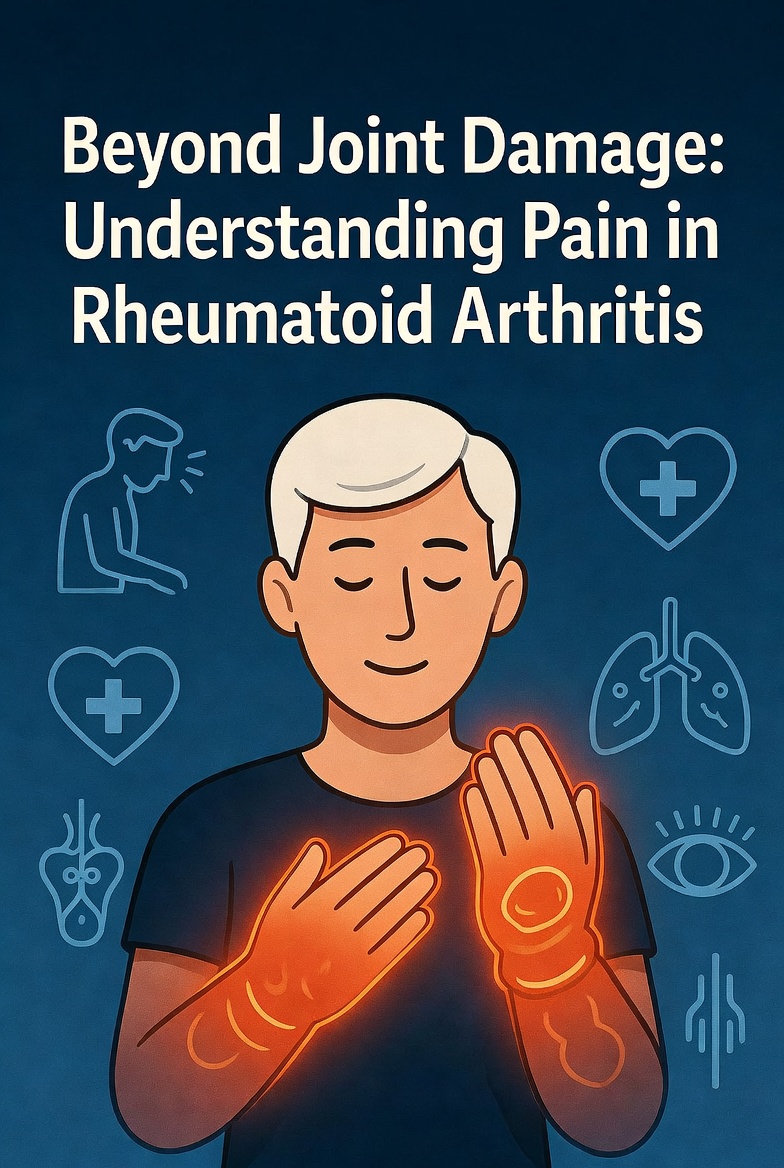
Rheumatoid arthritis (RA) is a chronic inflammatory disorder that primarily affects the joints. Unlike the wear-and-tear damage of osteoarthritis, RA affects the lining of your joints, causing a painful swelling that can eventually result in bone erosion and joint deformity. This autoimmune condition can have a profound impact on your daily life, limiting your ability to perform routine tasks and affecting your overall quality of life.
Living with RA means dealing with more than just joint pain. It can influence your physical capabilities, emotional health, and social interactions. Fatigue, for instance, is a common symptom that can leave you feeling drained and less able to engage in activities you enjoy. Additionally, conditions such as insulin resistance may further affect energy levels and overall health, making comprehensive wellness management even more important. Understanding the full scope of RA’s impact is crucial for developing effective management strategies that encompass all aspects of your life.
Moreover, RA can affect more than just your joints. It can also lead to complications in other parts of the body, such as the skin, eyes, lungs, heart, and blood vessels. Thus, a comprehensive approach to managing RA is important not only for alleviating joint pain but also for maintaining your overall health and wellbeing.
The Importance of Pain Management in Rheumatoid Arthritis
Pain management is a critical component of living with rheumatoid arthritis. The chronic pain associated with RA can be debilitating, affecting your ability to perform everyday activities and diminishing your quality of life. Effective pain management strategies, including appropriate strength training exercises under professional guidance, can help you regain control, reduce symptoms, and improve your physical and emotional well-being.
Managing pain effectively involves more than just taking medication. It requires a holistic approach that addresses all aspects of your condition. This includes medical treatments, lifestyle modifications, and psychological support. Guidance from wellness professionals such as Dr waseem fitness may also help individuals adopt healthier habits that support overall well-being. By managing pain comprehensively, you can minimize the impact of RA on your life and continue to engage in the activities you love.
Moreover, understanding the nature of your pain and its triggers can empower you to make informed decisions about your care. Certain underlying conditions, such as hypothyroidism, may also influence symptoms like fatigue, muscle aches, and overall well-being, making it important to consider the broader picture of your health. By working closely with healthcare providers, you can develop a personalized pain management plan that targets your specific needs and goals. This proactive approach can lead to better outcomes and an improved quality of life.
Common Symptoms of Rheumatoid Arthritis Beyond Joint Damage
While joint pain and swelling are the most well-known symptoms of rheumatoid arthritis, they are not the only manifestations of the disease. RA can cause a variety of other symptoms that affect your entire body. Recognizing these symptoms can help you manage your condition more effectively and seek appropriate treatment. Just as procedures like microneedling target specific concerns through a focused treatment approach, identifying the full range of RA symptoms can help healthcare providers develop more personalized and effective management strategies.
- Fatigue: Persistent tiredness is a common complaint among individuals with RA. This fatigue is often exacerbated by the inflammation and pain associated with the disease, making it difficult to maintain energy levels throughout the day.
- Fever and Malaise: Some individuals with RA may experience low-grade fevers and a general feeling of being unwell. These symptoms can fluctuate in intensity and may be more pronounced during disease flare-ups.
- Weight Loss and Muscle Weakness: Unintentional weight loss and muscle weakness can occur as a result of chronic inflammation and decreased physical activity. This can further contribute to the overall sense of fatigue and reduced physical function.
By understanding these symptoms, you can work with your healthcare provider to develop a comprehensive management plan that addresses all aspects of your condition, not just joint pain.
Comprehensive Pain Management Approaches
A comprehensive pain management approach for rheumatoid arthritis involves combining various strategies to address the multifaceted nature of the disease. This includes pharmacological treatments, physical therapies, lifestyle modifications, and alternative therapies. By integrating different approaches, you can achieve more effective and sustained pain relief.
Pharmacological Treatments
Medication is often a cornerstone of pain management for RA. Commonly prescribed medications include:
- Nonsteroidal Anti-Inflammatory Drugs (NSAIDs): These help reduce inflammation and pain.
- Disease-Modifying Antirheumatic Drugs (DMARDs): These slow the progression of RA and can help prevent joint damage.
- Biologic Agents: These are newer medications that target specific parts of the immune system to reduce inflammation.
Physical and Occupational Therapy
Physical therapy can help improve your range of motion and strengthen the muscles around your joints. Occupational therapy focuses on helping you adapt your daily activities and environment to reduce strain on your joints.
Lifestyle Modifications
Incorporating lifestyle changes such as regular exercise, a balanced diet, and stress management techniques can further enhance pain management. These modifications can improve your overall health and reduce the severity of RA symptoms.
By adopting a multifaceted approach to pain management, you can address the various aspects of RA and improve your overall quality of life.
Medications for Pain Relief in Rheumatoid Arthritis
Medications play a critical role in managing pain and inflammation in rheumatoid arthritis. They can help reduce symptoms, prevent joint damage, and improve your ability to function daily. Depending on the severity of your symptoms and your overall health, your healthcare provider may prescribe one or more types of medications.
- Nonsteroidal Anti-Inflammatory Drugs (NSAIDs)
NSAIDs are often the first line of defense against RA pain. They help reduce inflammation and alleviate pain by blocking the production of prostaglandins, which are chemicals that promote inflammation. Common NSAIDs include ibuprofen and naproxen.
- Corticosteroids
Corticosteroids, such as prednisone, are powerful anti-inflammatory medications that can provide rapid relief of symptoms. They are typically used for short periods to control acute flare-ups or when other medications are not effective.
- Disease-Modifying Antirheumatic Drugs (DMARDs)
DMARDs, such as methotrexate and sulfasalazine, work by modifying the underlying disease process. They can slow the progression of RA and prevent joint damage. These medications often take weeks to months to become fully effective.
- Biologic Agents
Biologics are a newer class of drugs that target specific components of the immune system. They are usually prescribed when other medications have not been effective. Examples include etanercept and infliximab.
Working closely with your healthcare provider to find the right medication regimen is crucial for effectively managing RA pain. Regular monitoring and adjustments may be necessary to ensure optimal results and minimize side effects.
Physical Therapy and Exercise: Enhancing Mobility and Reducing Pain
Physical therapy and exercise are essential components of managing rheumatoid arthritis. They help improve joint function, increase strength and flexibility, and reduce pain. Engaging in regular physical activity can also boost your mood and overall well-being.
Benefits of Physical Therapy
Physical therapy can provide personalized exercises tailored to your specific needs and limitations. A physical therapist can teach you:
- Range-of-Motion Exercises: These exercises help maintain joint flexibility and prevent stiffness.
- Strengthening Exercises: Building muscle strength can support and protect your joints.
- Posture and Body Mechanics: Proper posture and techniques can reduce strain on your joints during daily activities.
The Role of Exercise
In addition to physical therapy, regular exercise is important for managing RA. Low-impact activities such as walking, swimming, and cycling can help improve cardiovascular health without putting excessive stress on your joints. Stretching and flexibility exercises, such as yoga or tai chi, can also enhance your overall physical function.
Developing an Exercise Routine
Before starting an exercise program, consult with your healthcare provider or physical therapist to ensure your routine is safe and appropriate for your condition. Start slowly and gradually increase the intensity and duration of your workouts as your fitness level improves.
Incorporating physical therapy and exercise into your pain management plan can help you maintain your independence and improve your quality of life.
The Role of Nutrition in Managing Rheumatoid Arthritis Pain
A balanced diet plays a vital role in managing rheumatoid arthritis symptoms and reducing pain. Certain foods have anti-inflammatory properties, while others can exacerbate inflammation. By making informed dietary choices, you can support your overall health and potentially alleviate RA symptoms.
Anti-Inflammatory Foods
Incorporating anti-inflammatory foods into your diet can help reduce inflammation and pain. Some beneficial foods include:
- Fatty Fish: Rich in omega-3 fatty acids, fish like salmon and sardines can help decrease inflammation.
- Fruits and Vegetables: High in antioxidants, these can combat oxidative stress and inflammation.
- Nuts and Seeds: Sources of healthy fats that can support joint health.
Foods to Avoid
Some foods can trigger inflammation and worsen RA symptoms. Consider limiting or avoiding:
- Processed Foods: High in unhealthy fats and sugars, these can contribute to inflammation.
- Refined Carbohydrates: White bread, pasta, and sugary snacks can spike inflammation levels.
- Red Meat: High in saturated fats, which can promote inflammation.
Hydration and Supplements
Staying well-hydrated is essential for joint health. Drinking plenty of water helps maintain joint lubrication and overall health. Additionally, some supplements, such as vitamin D and calcium, may support bone health and complement your RA management plan.
Consult with a nutritionist or dietitian to develop a personalized nutrition plan that supports your health goals and complements your RA treatment strategy. By making mindful dietary choices, you can take a proactive role in managing your RA symptoms and improving your overall well-being.
Alternative Therapies for Pain Management
In addition to conventional treatments, alternative therapies can offer complementary benefits for managing rheumatoid arthritis pain. These therapies focus on holistic approaches to alleviate symptoms, improve mental health, and enhance overall quality of life.
Acupuncture
Acupuncture involves the insertion of thin needles into specific points on the body to stimulate natural pain relief and promote healing. Some studies suggest that acupuncture can help reduce RA pain by increasing circulation and releasing endorphins, which are natural painkillers.
Massage Therapy
Massage therapy can help relax muscles, improve circulation, and reduce stress, which may alleviate RA symptoms. Techniques such as Swedish massage or deep tissue massage can be tailored to accommodate your specific needs and comfort level.
Mind-Body Practices
Practices like yoga, tai chi, and meditation can help improve flexibility, reduce stress, and enhance overall well-being. These mind-body therapies promote relaxation and mindfulness, which can be beneficial for managing chronic pain and improving mental health.
Herbal Supplements
Certain herbal supplements, such as turmeric, ginger, and boswellia, have anti-inflammatory properties that may help reduce RA symptoms. However, it is important to consult with your healthcare provider before taking any supplements to ensure they are safe and compatible with your treatment plan.
Incorporating alternative therapies into your RA management plan can provide additional support and enhance your overall treatment experience. By exploring different approaches, you can find the combination of therapies that works best for you and your lifestyle.
Psychological Support and Its Benefits in Pain Management
Living with rheumatoid arthritis can be emotionally challenging, and psychological support plays a crucial role in managing pain and improving overall well-being. Addressing the emotional aspects of RA can help you cope with the daily challenges of the disease and enhance your quality of life.
The Impact of Chronic Pain on Mental Health
Chronic pain can lead to feelings of frustration, anxiety, and depression. These emotions can further exacerbate pain and make it more difficult to manage. By acknowledging and addressing these psychological aspects, you can break the cycle of pain and emotional distress.
Benefits of Psychological Support
Psychological support can take many forms, including counseling, support groups, and cognitive-behavioral therapy (CBT). These interventions can help you:
- Develop coping strategies for dealing with pain and stress.
- Improve communication skills to express your needs and concerns.
- Enhance your problem-solving abilities to manage daily challenges.
Building a Support Network
Connecting with others who understand your experiences can provide valuable emotional support. Consider joining a local or online support group for individuals with RA. Sharing your experiences and learning from others can help you feel less isolated and more empowered in managing your condition.
By prioritizing your mental health and seeking psychological support, you can create a more balanced and effective approach to managing RA pain. This holistic strategy can lead to improved outcomes and a more fulfilling life.
Conclusion: Empowering Patients Through Effective Pain Management Strategies
Managing rheumatoid arthritis requires a comprehensive approach that addresses both physical and emotional aspects of the disease. By understanding the impact of RA, exploring various pain management techniques, and seeking psychological support, you can take control of your condition and improve your quality of life.
The journey of managing RA is highly individual, and what works for one person may not work for another. It is important to collaborate with your healthcare team to develop a personalized treatment plan that meets your unique needs and goals. This tailored approach can help you achieve better outcomes and maintain an active and fulfilling lifestyle.
Author: Laura Watson
Published by: International Pain Foundation, Team iPain, iPain Blog
