
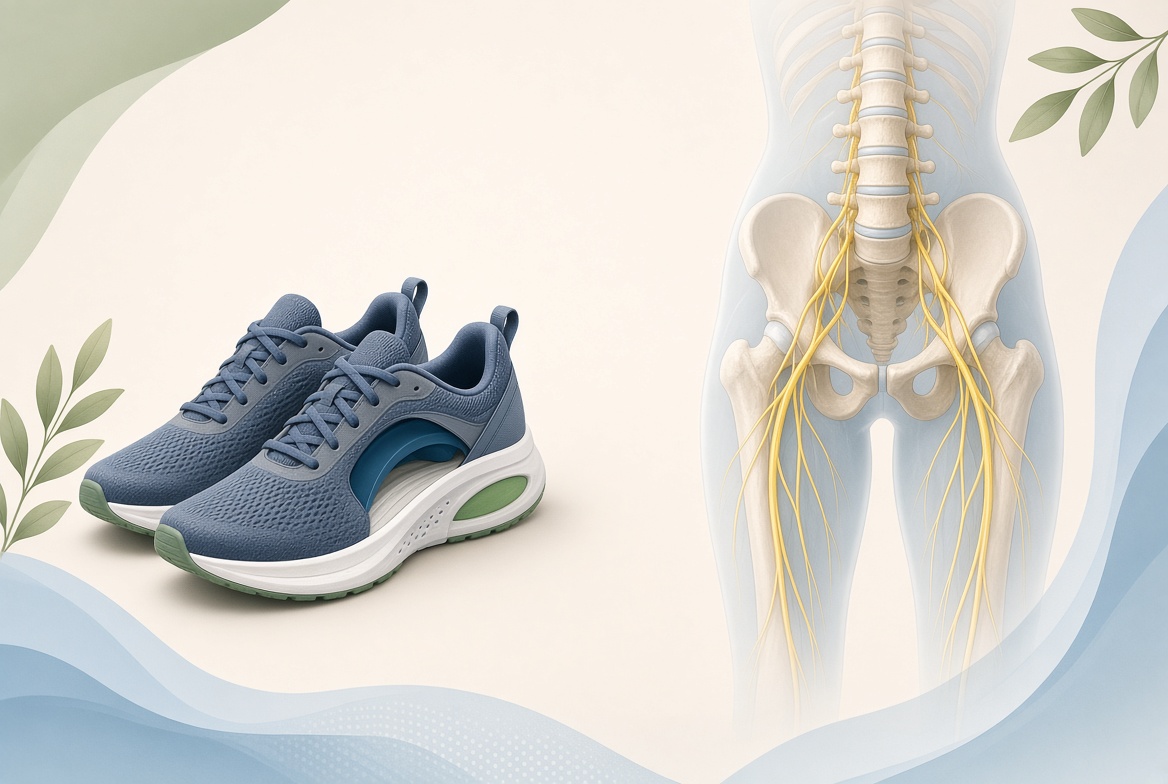
Sciatica is a condition characterized by pain radiating along the path of the sciatic nerve, which extends from your lower back through your hips and buttocks and down each leg. This pain is often caused by a herniated disk, bone spur on the spine, or narrowing of the spine (spinal stenosis) compressing part of the nerve. It can lead to inflammation, pain, and often some numbness in the affected leg.
The symptoms of sciatica can vary widely. Some people experience a mild ache, while others feel a sharp, burning sensation or excruciating pain. Sciatica can also cause tingling, numbness, or muscle weakness in the affected leg, which can disrupt everything from a desk job to athlete training and health routines. The pain may worsen when you sneeze, cough, or sit for long periods.
Understanding the underlying causes of sciatica is crucial for finding effective relief. Factors such as age, obesity, prolonged sitting, and diabetes can increase the risk of sciatica. However, one often-overlooked factor that can significantly influence the condition is the type of footwear you choose to wear.
The Role of Footwear in Spinal Health
Your choice of footwear plays a critical role in maintaining spinal health. Shoes provide the necessary support and cushioning that your feet need to absorb the impact of walking and standing. This is especially true for sneakers for men who spend long hours on their feet, since a poorly built pair can disrupt posture and alignment, leading to undue stress on your spine and potentially exacerbating sciatica symptoms.
Footwear affects the alignment of your spine by influencing the way you walk and stand. Shoes with inadequate support can lead to improper spinal alignment, causing additional pressure on the sciatic nerve. This can intensify sciatica pain and make daily activities more difficult.
Proper footwear can also help prevent spinal health issues from arising in the first place. Shoes that offer good support and cushioning can help maintain proper alignment, distribute weight evenly, and reduce stress on the lower back. Therefore, making informed footwear choices is an essential step in managing sciatica and promoting overall spinal health.
How Poor Footwear Choices Can Contribute to Sciatica
Wearing the wrong type of shoes can significantly contribute to the development or worsening of sciatica symptoms. Shoes that do not provide adequate support can lead to poor posture and misalignment of the spine, increasing the risk of aggravating the sciatic nerve.
High heels, for example, are a common culprit in poor footwear choices. They can force your body forward, altering your natural posture and placing excess pressure on your lower back. This can lead to muscle imbalances and strain on the sciatic nerve, worsening sciatica symptoms.
Conversely, shoes that are too flat and lack arch support can also be problematic. They can cause your feet to roll inward, a condition known as overpronation, which can lead to misalignment issues in the lower body. This misalignment can travel up the body, ultimately affecting the spine and contributing to sciatic nerve pain.
Types of Footwear That May Worsen Sciatica Symptoms
Certain types of footwear are more likely to exacerbate sciatica symptoms due to their design and lack of support. Understanding which shoes to avoid can be a significant step in managing your condition effectively.
- High Heels: As mentioned earlier, high heels can disrupt your natural posture by tilting your pelvis forward and increasing the curvature of your spine. This misalignment can place extra stress on your lower back and sciatic nerve.
- Flats Without Support: Shoes that are completely flat, such as ballet flats or flip-flops, often lack the necessary support for your arches, leading to overpronation. This can cause improper alignment and increase the risk of sciatica flare-ups.
- Worn-Out Shoes: Even shoes that were once supportive can become problematic if they are worn out. As shoes age, they lose their cushioning and structural support, leading to increased stress on your feet and spine.
By avoiding these types of footwear, you can help mitigate the risk of worsening your sciatica symptoms and support better spinal alignment and health.
The Importance of Proper Arch Support
Arch support is a crucial element in selecting footwear that promotes spinal health and alleviates sciatica symptoms. Proper arch support helps distribute weight evenly across your feet, reducing the strain on your lower back and sciatic nerve.
When your feet have adequate arch support, they maintain a neutral position, which helps keep your knees, hips, and spine properly aligned. This alignment minimizes the risk of pressure on the sciatic nerve, reducing pain and discomfort associated with sciatica.
Inserts or orthotic insoles can be an effective way to enhance the arch support in your existing footwear. Custom or over-the-counter orthotics can offer additional cushioning and support, helping to relieve pressure on your sciatic nerve and improve your overall comfort.
The Impact of Heel Height on Sciatica
The height of your shoe’s heel can have a notable impact on sciatica symptoms. High heels, as previously mentioned, can alter your body’s alignment, leading to increased pressure on the lower back and sciatic nerve. However, the right heel height can actually provide benefits.
A moderate heel of about 1 to 2 inches can sometimes provide better support than completely flat shoes. This slight elevation can help maintain a natural curve in your lower spine, reducing strain and pressure on the sciatic nerve.
When selecting shoes, pay attention to heel height and opt for those that offer a balance between elevation and support. Shoes with a small, supportive heel and adequate arch support can help promote better posture and alleviate sciatica symptoms.
Choosing the Right Footwear for Sciatica Relief
Selecting the right footwear is crucial for managing sciatica pain and promoting spinal health. Here are some tips to guide your choices:
- Look for Supportive Features: Choose shoes with good arch support, cushioning, and a stable heel. These features help distribute weight evenly and reduce stress on your lower back.
- Opt for a Slight Heel: A small heel can help maintain the natural curve of your spine, reducing pressure on the sciatic nerve.
- Consider Orthotic Inserts: Custom or over-the-counter orthotics can enhance the support and comfort of your footwear, providing additional relief from sciatica symptoms.
By prioritizing footwear that offers proper support and comfort, you can take an active step in managing your sciatica symptoms and improving your overall quality of life.
Recommendations for Footwear That Supports Spinal Health
When it comes to selecting footwear that supports spinal health and alleviates sciatica symptoms, there are several brands and styles renowned for their supportive features.
- Birkenstock: Known for their contoured footbeds, Birkenstock sandals offer excellent arch support and cushioning, helping to maintain proper foot alignment.
- New Balance: This brand offers a range of athletic shoes with robust support and cushioning, making them ideal for individuals seeking relief from sciatica.
- Vionic: Vionic shoes are designed with orthotic technology, providing substantial arch support and stability to promote better spinal alignment.
These brands are just a starting point. It’s important to try on different styles and find what works best for your specific needs, ensuring both comfort and support.
Additional Lifestyle Changes to Manage Sciatica Symptoms
While choosing the right footwear is a significant step in managing sciatica symptoms, incorporating additional lifestyle changes can further enhance your relief efforts.
- Maintain a Healthy Weight: Excess weight can add stress to your spine and increase the pressure on your sciatic nerve. A balanced diet and regular exercise can help you maintain a healthy weight, reducing the risk of sciatica flare-ups.
- Practice Good Posture: Being mindful of your posture when sitting, standing, and walking can help reduce stress on your spine and alleviate sciatica symptoms.
- Engage in Regular Exercise: Low-impact exercises such as swimming, walking, or yoga can strengthen the muscles supporting your spine and improve flexibility, reducing the risk of sciatica pain.
By incorporating these lifestyle changes, you can create a holistic approach to managing sciatica symptoms and promoting overall spinal health.
Conclusion: The Connection Between Footwear and Sciatica
The link between your footwear choices and sciatica symptoms is more significant than you might think. Proper footwear not only supports your feet but also plays a crucial role in maintaining spinal health and alleviating sciatica pain. By prioritizing shoes with adequate arch support, a stable heel, and cushioning, you can help reduce stress on your sciatic nerve and improve your overall well-being.
Considering the impact of your footwear choices is an essential part of a comprehensive approach to managing sciatica. By making informed decisions about your shoes and incorporating additional lifestyle changes, you can take proactive steps towards alleviating your symptoms and enhancing your quality of life.
Authored by Laura Watson
Published by International Pain Foundation, iPain Blog, Team iPain
