Chronic pain is a persistent condition impacting millions worldwide, often characterized by discomfort lasting longer than three months. This pain can significantly affect daily activities, mental health, and overall quality of life. Understanding its underlying causes is crucial for effective management and relief.
Hormonal imbalances occur when there is too much or too little of a hormone in the bloodstream. Because of their essential role in regulating various bodily functions, even slight imbalances can affect health and well-being. Hormones control everything from metabolism and growth to mood and reproductive processes.
The Connection Between Hormonal Imbalances and Chronic Pain
Hormonal imbalances can significantly contribute to chronic pain. For instance, fluctuations in estrogen and progesterone levels can influence pain perception, often exacerbating conditions like fibromyalgia and migraines. Similarly, thyroid-related conditions such as hypothyroidism can lead to muscle aches and joint discomfort.
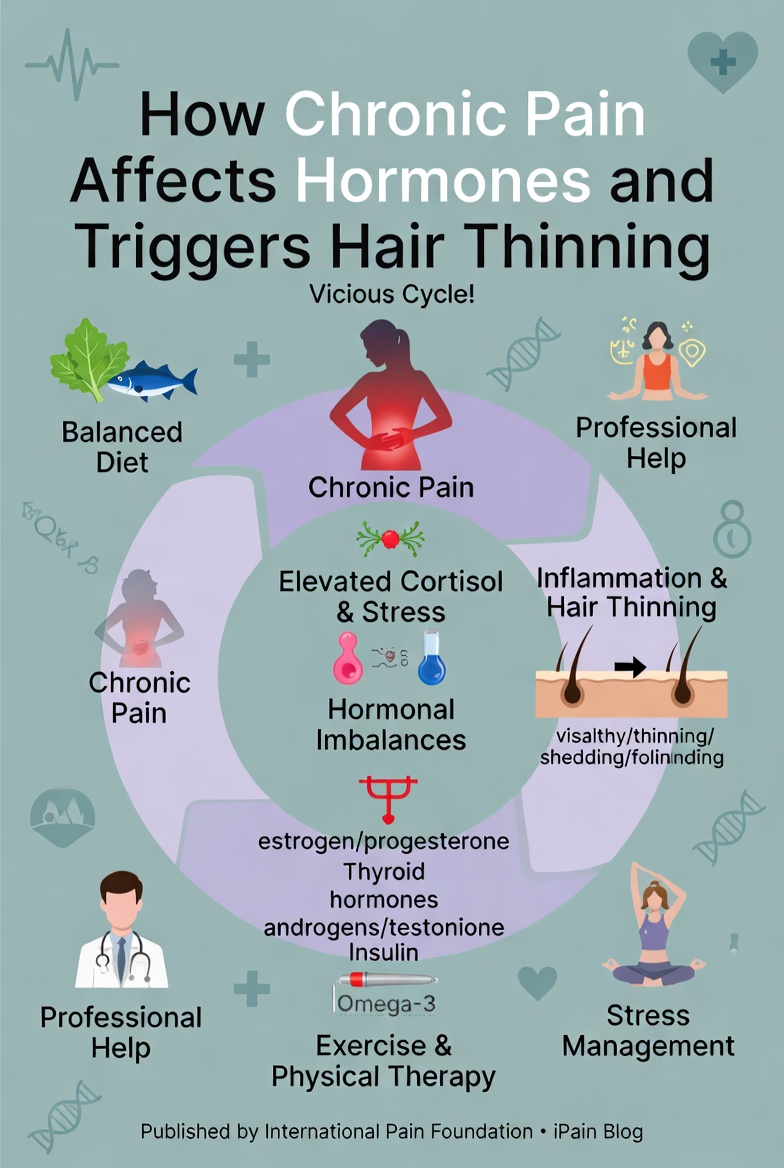
Cortisol, known as the stress hormone, plays a crucial role in your body’s response to stress. Chronic stress can lead to elevated cortisol levels, which may cause inflammation and amplify pain sensations. Understanding the impact of cortisol and other hormones on pain can help you identify potential paths for relief.
Insulin resistance, often associated with hormonal imbalances, can also contribute to chronic pain. This condition can lead to inflammation, which is a known contributor to pain. By addressing insulin resistance through lifestyle changes and medical interventions, you may find relief from pain symptoms.
How Hormonal Changes Affect Hair Growth
Hormonal changes can profoundly impact hair growth and health. Hormones like androgens can influence hair follicle cycles, leading to changes in hair density and texture. In some cases, conditions such as alopecia areata may also contribute to noticeable hair loss. Insufficient levels of estrogen and progesterone can result in hair thinning or shedding, especially in women experiencing menopause.
Thyroid hormones are essential for maintaining hair growth. Imbalances in these hormones can lead to hair loss or thinning, as they affect the rate at which hair follicles cycle through growth and rest phases. Optimizing thyroid function can therefore be a crucial step in addressing hair health concerns.
Androgens, including testosterone, can lead to hair thinning in both men and women. High levels of these hormones can cause hair follicles to shrink, resulting in hair loss. Understanding the role of androgens can help you make informed decisions about treatment options for hair thinning.
Common Hormonal Disorders Linked to Chronic Pain and Hair Thinning
Several hormonal disorders are commonly linked to both chronic pain and hair thinning. Polycystic Ovary Syndrome (PCOS) is one such condition, characterized by elevated androgen levels, which can lead to irregular menstrual cycles, hair thinning, and chronic pain issues like pelvic pain.
Thyroid disorders, including hypothyroidism and hyperthyroidism, can also contribute to these symptoms. Hypothyroidism can cause muscle aches and hair thinning due to decreased hormone production, while hyperthyroidism may lead to hair loss and increased pain sensitivity due to excess hormone levels.
Adrenal insufficiency, or Addison’s disease, can lead to chronic pain and hair thinning due to inadequate production of cortisol and aldosterone. Understanding these disorders and their symptoms can empower you to seek appropriate treatment and support for managing these conditions.
The Role of Stress in Hormonal Imbalances and Pain
Stress is a significant factor in hormonal imbalances and chronic pain. When you experience stress, your body produces cortisol, which can disrupt hormone production and balance. Chronic stress can lead to increased inflammation and heightened pain perception, creating a vicious cycle difficult to break.
Managing stress is crucial for maintaining hormonal balance and reducing pain. Techniques such as mindfulness, meditation, and regular physical activity can help you manage stress effectively. By incorporating these practices into your daily routine, you can support hormonal health and alleviate pain symptoms.
In addition to lifestyle modifications, seeking support from mental health professionals can be beneficial in managing stress. Therapy and counseling can provide you with tools to cope with stress more effectively, ultimately leading to improved hormonal balance and reduced pain levels.
Effective Treatments for Hormonal Imbalances
Addressing hormonal imbalances requires a comprehensive approach. Hormone replacement therapy (HRT) can be an effective option for some individuals, helping to restore hormone levels to a more balanced state. However, it’s essential to discuss the potential risks and benefits with your healthcare provider.
Lifestyle changes can significantly impact hormonal balance. Eating a balanced diet rich in nutrients, engaging in regular physical activity, and ensuring adequate sleep can help regulate hormone production and support overall health. These lifestyle modifications can be a powerful tool in managing hormonal imbalances.
In some cases, medications may be necessary to address specific hormonal disorders. For instance, thyroid hormone replacement might be needed for hypothyroidism, while medications to regulate insulin levels could be beneficial for those with insulin resistance. Collaborating with your healthcare provider can help you determine the best course of action for your unique needs.
Managing Chronic Pain: Strategies and Solutions
Effectively managing chronic pain requires a multifaceted approach. Physical therapy and exercise can help improve mobility and reduce pain by strengthening muscles and enhancing flexibility. Tailoring exercises to your specific condition can lead to better outcomes and increased pain relief.
Medications, such as nonsteroidal anti-inflammatory drugs (NSAIDs) or prescription pain relievers, can provide temporary relief from pain. However, it’s crucial to use these medications under the guidance of a healthcare professional to avoid potential side effects and dependency.
Alternative therapies, such as acupuncture, chiropractic care, and massage therapy, can also be beneficial in managing chronic pain. These therapies can complement traditional treatments, offering additional pain relief and improving overall well-being. Exploring different options can help you find the most effective solution for your pain management needs.
Nutritional Approaches to Support Hormonal Balance and Hair Health
Your diet plays a crucial role in maintaining hormonal balance and supporting hair health. Consuming a variety of nutrient-dense foods ensures your body receives the essential vitamins and minerals needed for optimal hormone production and hair growth.
Incorporating foods rich in omega-3 fatty acids, such as fish, flaxseeds, and walnuts, can help reduce inflammation and support hormonal balance. Additionally, consuming foods high in antioxidants, like fruits and vegetables, can protect your body from oxidative stress and promote overall health.
Ensuring adequate intake of vitamins and minerals, such as iron, zinc, and vitamin D, is essential for hair health. These nutrients support hair follicle function and promote healthy hair growth. By focusing on a balanced diet, you can support both hormonal balance and hair health simultaneously.
When to Seek Professional Help: Signs and Symptoms
Recognizing when to seek professional help is crucial for managing hormonal imbalances, chronic pain, and hair thinning effectively. If you experience persistent symptoms that interfere with daily life, such as severe pain, unexplained hair loss, or significant changes in mood, it’s essential to consult a healthcare professional.
A thorough evaluation, including blood tests and physical examinations, can help identify underlying hormonal imbalances or other health issues contributing to your symptoms. Early intervention can lead to more effective treatment and better outcomes, so don’t hesitate to reach out for support.
Collaborating with healthcare professionals, such as endocrinologists, dermatologists, and pain specialists, ensures you receive comprehensive care tailored to your needs. By working together, you can develop a personalized treatment plan addressing your unique symptoms and promoting overall health.
Conclusion: Embracing a Holistic Approach to Health
Embracing a holistic approach to health is essential for effectively managing chronic pain, hormonal imbalances, and hair thinning. By addressing these interconnected issues, you can improve your overall well-being and quality of life.
Incorporating lifestyle changes, such as stress management techniques, regular exercise, and a balanced diet, can support hormonal balance and alleviate pain symptoms. Additionally, exploring alternative therapies and seeking professional guidance can help you develop a comprehensive plan tailored to your needs.
Remember, taking a proactive approach to your health can make a significant difference. By understanding the link between chronic pain, hormonal imbalances, and hair thinning, you can empower yourself to make informed decisions and embrace a healthier, more balanced life.
Author: Laura Watson
Published by International Pain Foundation; Team iPain, iPain Blog
