Pain management is a crucial aspect of the healing process, especially after an injury. It involves a multidisciplinary approach to alleviate discomfort and enhance your quality of life. By effectively managing pain, you can accelerate your recovery and return to your normal activities more swiftly.
There are various methods used in pain management, ranging from medications to physical therapies, including physical therapy exercises for headaches. The choice of technique often depends on the nature and severity of your injury. Understanding these options can empower you to make informed decisions about your treatment plan, ensuring it aligns with your personal needs and preferences.
Moreover, pain management is not just about alleviating physical discomfort but also involves addressing emotional and psychological aspects. Chronic pain can significantly impact your mental well-being, and a comprehensive approach can help mitigate these effects, fostering a more holistic recovery.
The Role of Supplements in Recovery
Supplements can play a supportive role in the recovery process by providing essential nutrients that may be lacking in your diet. They can aid in reducing inflammation, enhancing tissue repair, and boosting your immune system, all of which are vital for effective healing.
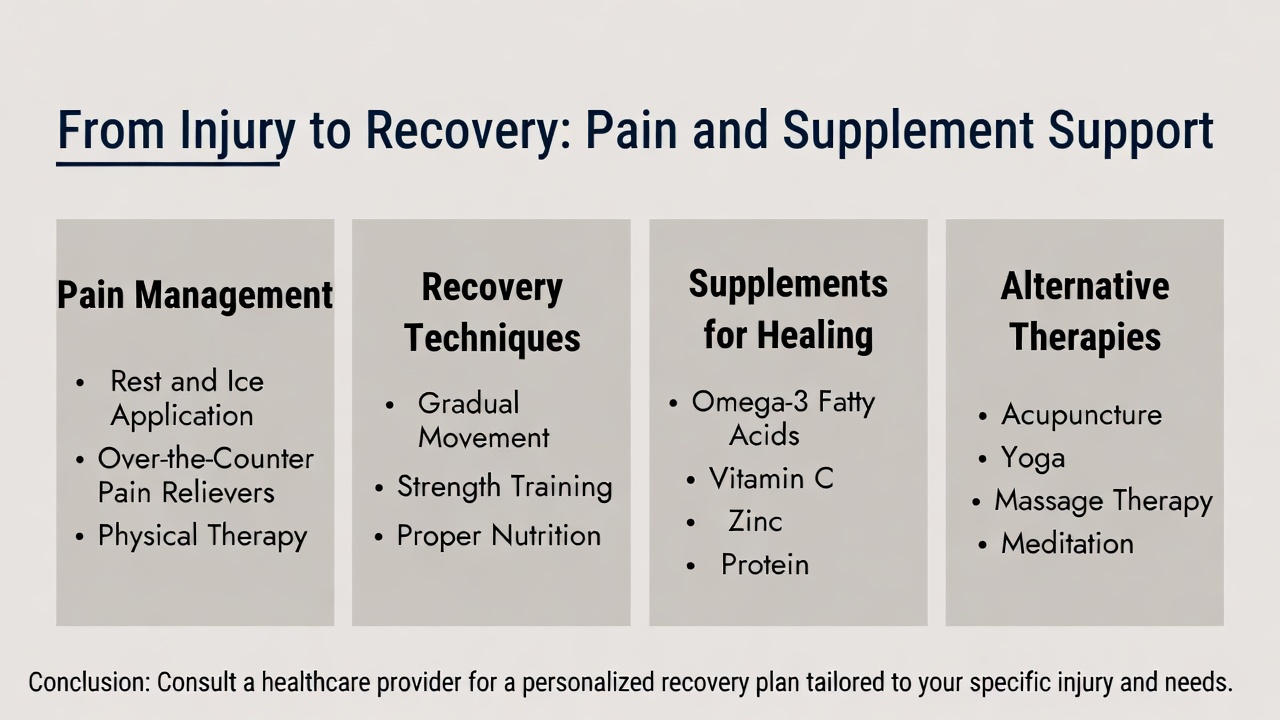
For instance, Omega-3 fatty acids are known for their anti-inflammatory properties, which can help lessen pain and swelling. Similarly, supplements like Vitamin C and Zinc are crucial for collagen formation and wound healing, respectively. When combined with injury prevention exercises, these nutrients become valuable additions to your recovery regimen.
It’s important to consult with a healthcare provider before incorporating supplements into your routine. They can guide you on appropriate dosages and ensure there are no adverse interactions with medications you might be taking, thus optimizing your recovery journey.
Common Types of Injuries and Their Impact on Healing
Injuries can vary significantly in type and severity, each requiring a tailored approach to pain management and recovery. Common injuries include fractures, sprains, strains, and soft tissue injuries, each presenting unique challenges and recovery timelines.
Fractures, for example, involve a break in the bone and often require immobilization and potentially surgery. Pain management strategies may include medications and physical therapy to regain strength and mobility once the bone has healed, often supported by proper nutrition such as mass gainer protein to aid muscle recovery and overall rehabilitation.
Sprains and strains, on the other hand, involve damage to ligaments and muscles, respectively. These injuries often benefit from rest, ice, compression, and elevation (RICE), along with targeted exercises to restore function.
Understanding the specific nature of your injury can help you and your healthcare team develop a comprehensive plan that addresses all aspects of healing, from pain relief to rehabilitation.
How Pain Management Techniques Aid Recovery
Effective pain management techniques are integral to the recovery process, as they can significantly reduce discomfort and facilitate healing. Techniques such as physical therapy, acupuncture, and massage are increasingly recognized for their benefits in managing pain and enhancing recovery.
Physical therapy is a cornerstone of pain management, providing exercises and interventions designed to restore function and prevent further injury. It can help improve flexibility, strength, and coordination, reducing the risk of chronic pain and recurring injuries.
Alternative therapies, such as acupuncture and massage, offer additional avenues for pain relief. Acupuncture, an ancient practice, involves inserting thin needles into specific points on the body to alleviate pain and promote healing. Massage therapy helps to relax tense muscles, improve circulation, and reduce stress, all contributing to a smoother recovery process.
Essential Supplements for Injury Recovery
Incorporating essential supplements into your recovery plan can provide the nutrients necessary for optimal healing. Some of the most beneficial supplements for injury recovery include:
- Omega-3 Fatty Acids: Known for their anti-inflammatory properties, these can help reduce joint stiffness and pain.
- Vitamin D: Essential for bone health, it aids in the absorption of calcium and supports muscle function.
- Vitamin C: Crucial for collagen formation, it supports wound healing and tissue repair.
- Zinc: Plays a vital role in immune function and wound healing, making it an important supplement for recovery.
- Protein Supplements: Essential for muscle repair and growth, especially after injuries that affect muscle tissue.
Before adding any supplements to your regimen, it’s important to discuss them with a healthcare professional to tailor your intake to your specific needs and ensure they complement your existing treatment plan.
The Connection Between Nutrition and Pain Relief
Nutrition is a powerful tool in managing pain and facilitating recovery. A well-balanced diet provides the necessary nutrients to support your body’s healing processes and can directly influence your pain levels.
Certain foods, such as those rich in Omega-3 fatty acids (found in fish like salmon and mackerel) and antioxidants (present in fruits and vegetables), can help reduce inflammation and pain. Additionally, maintaining adequate hydration is crucial as it supports cellular function and aids in the removal of toxins from your body.
An anti-inflammatory diet, which emphasizes whole grains, lean proteins, and a variety of fruits and vegetables, can be particularly beneficial in managing pain. By focusing on nutrient-dense foods, you can support your recovery and potentially decrease your reliance on medications.
Alternative Therapies for Pain Management
Exploring alternative therapies can offer additional relief and complement traditional pain management strategies. Practices such as yoga, meditation, and chiropractic care are gaining popularity for their effectiveness in managing pain and promoting overall well-being.
Yoga combines physical postures, breathing exercises, and meditation to enhance flexibility, strength, and relaxation. It can help reduce stress and improve your body’s ability to cope with pain, making it a valuable adjunct to other pain management techniques.
Meditation and mindfulness practices focus on calming the mind and increasing awareness of the present moment. These techniques can help you manage the psychological aspects of pain, reducing stress and anxiety, which can, in turn, lessen physical discomfort.
Chiropractic care involves manual adjustments to align the spine and improve body function. It can be particularly beneficial for back pain, neck pain, and other musculoskeletal issues, offering a drug-free approach to pain relief.
Creating a Personalized Pain Management Plan
Developing a personalized pain management plan is essential for addressing your unique needs and optimizing your recovery. This plan should be developed in collaboration with your healthcare team, taking into account the specifics of your injury, your lifestyle, and your personal preferences.
Begin by setting clear goals for your recovery, such as reducing pain levels, increasing mobility, and returning to normal activities. Your plan may include a combination of medications, physical therapy, alternative therapies, and lifestyle modifications tailored to your situation.
Regularly review and adjust your plan as needed, in consultation with healthcare professionals, to ensure it remains effective and aligned with your progress. Flexibility in your approach can help you navigate the ups and downs of the recovery process and achieve the best possible outcomes.
Expert Insights: Interviews with Health Professionals
Gaining insights from health professionals can provide valuable perspectives on pain management and recovery strategies. Interviews with experts such as physiotherapists, nutritionists, and doctors can offer you a deeper understanding of the multifaceted nature of pain and healing.
Physiotherapists can share their expertise on exercises and techniques that promote recovery and prevent future injuries. Nutritionists can provide guidance on dietary changes and supplements that support healing. Doctors can offer medical insights into pain management options and the latest advancements in treatment.
These expert opinions can help you make informed decisions about your recovery, equipping you with the knowledge to advocate for your health and well-being effectively.
Conclusion: Empowering Your Healing Journey
Your journey from injury to recovery is a personal and empowering experience. By understanding the role of pain management, incorporating essential supplements, and exploring alternative therapies, you can take control of your healing process and enhance your overall well-being.
Remember, the road to recovery is not a one-size-fits-all journey but a personalized path that requires patience, persistence, and support. By creating a comprehensive pain management plan and seeking guidance from healthcare professionals, you can navigate this journey with confidence and resilience.
As you continue your healing journey, consider sharing your experiences and insights with others who may benefit from your knowledge. This not only fosters a sense of community but also empowers you and others to take an active role in health and recovery.
Author: Laura Watson
Published by: International Pain Foundation, iPain Blog, Team iPain
